Cholangiocarcinoma
Also known as: Bile duct cancer
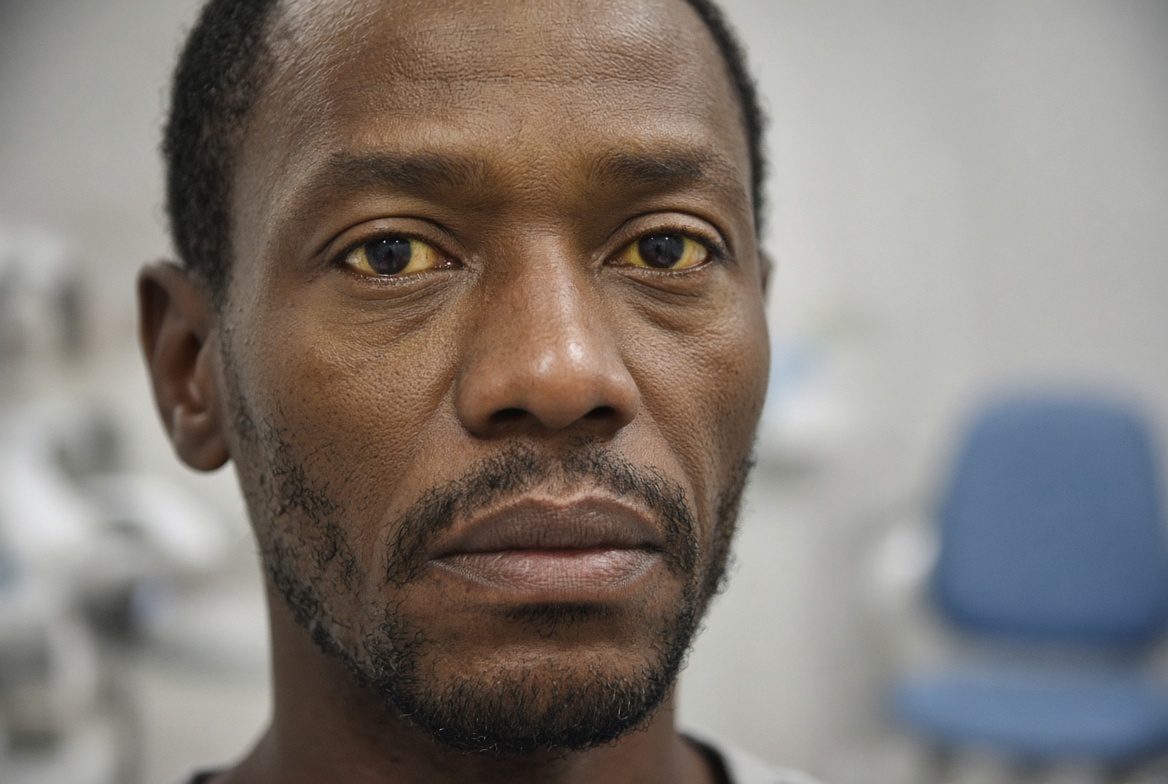
Malignancy arising from the bile duct epithelium, classified by anatomical location as intrahepatic (arising within the liver parenchyma, increasingly grouped and managed alongside hepatocellular carcinoma given overlapping presentation), perihilar (Klatskin tumor, at the confluence of the right and left hepatic ducts, the most common location), and distal (extrahepatic, closer to the pancreatic head, sharing much of its clinical presentation and management pathway with pancreatic cancer).
Risk factors include primary sclerosing cholangitis (a major and well recognized association, see Ulcerative Colitis entry), liver fluke infection (Clostorchis sinensis and Opisthorchis viverrini, endemic in parts of Southeast Asia), choledochal cysts, hepatolithiasis, and chronic viral hepatitis.