Severe Pneumonia In Children
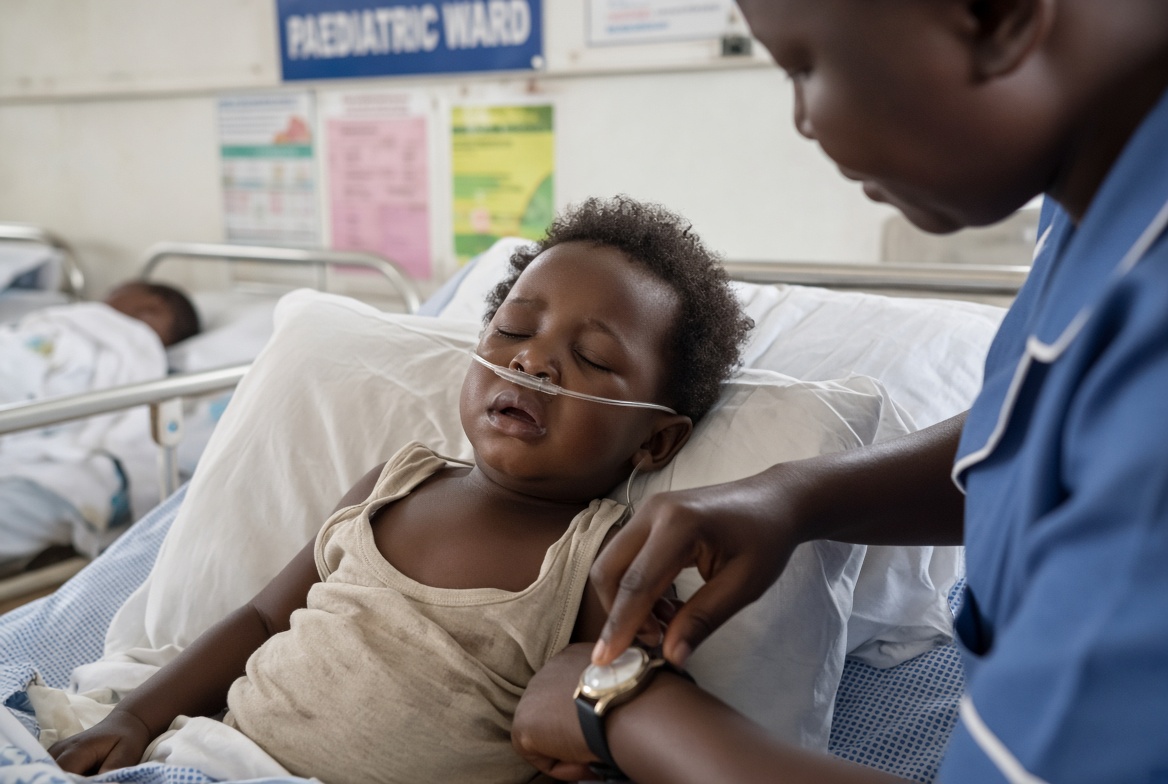
Severe pneumonia is pneumonia associated with significant respiratory compromise, hypoxaemia, systemic illness or inability to safely feed and hydrate.
It can progress rapidly to respiratory failure, sepsis, shock, empyema, pneumothorax or death.
Severe features include:
• SpO₂ below 90%
• Central cyanosis
• Grunting
• Severe chest indrawing
• Marked tachypnoea
• Nasal flaring or head nodding
• Inability to drink or breastfeed
• Altered consciousness
• Apnoea
• Exhaustion
• Silent or markedly reduced air entry
A falling respiratory rate in an exhausted hypoxaemic child may indicate respiratory failure rather than improvement.
Diagnosis is clinical and treatment should begin immediately.
Assess:
• Oxygen saturation
• Glucose
• Hydration and perfusion
• Conscious level
Investigations in admitted severe disease may include FBC, electrolytes, renal function, blood culture, blood gas and chest radiography.
Ultrasound is highly useful when pleural effusion or empyema is suspected.
Admit urgently.
Give oxygen for hypoxaemia.
First line inpatient therapy:
Benzylpenicillin 50,000 units/kg/dose IV or IM every 6 hours
plus
Gentamicin 7.5 mg/kg IV or IM every 24 hours.
Monitor oxygen saturation, respiratory effort, feeding, perfusion and conscious level closely.
If deterioration or inadequate improvement occurs, reassess for empyema, cavitation, Staphylococcus aureus, Gram negative infection, tuberculosis, Pneumocystis pneumonia or an alternative diagnosis.
Ceftriaxone 50 mg/kg IV every 12 hours, maximum 4 g/day, is an escalation option in severe sepsis or meningitis dosing contexts and may be used according to the clinical syndrome and local antimicrobial policy.
Suspected staphylococcal pneumonia requires antistaphylococcal therapy such as flucloxacillin, with additional Gram negative coverage where appropriate.
Drain significant empyema when indicated.
Escalate respiratory support early when hypoxaemia or respiratory fatigue persists.