










Abnormal Uterine Bleeding
Also known as: AUB
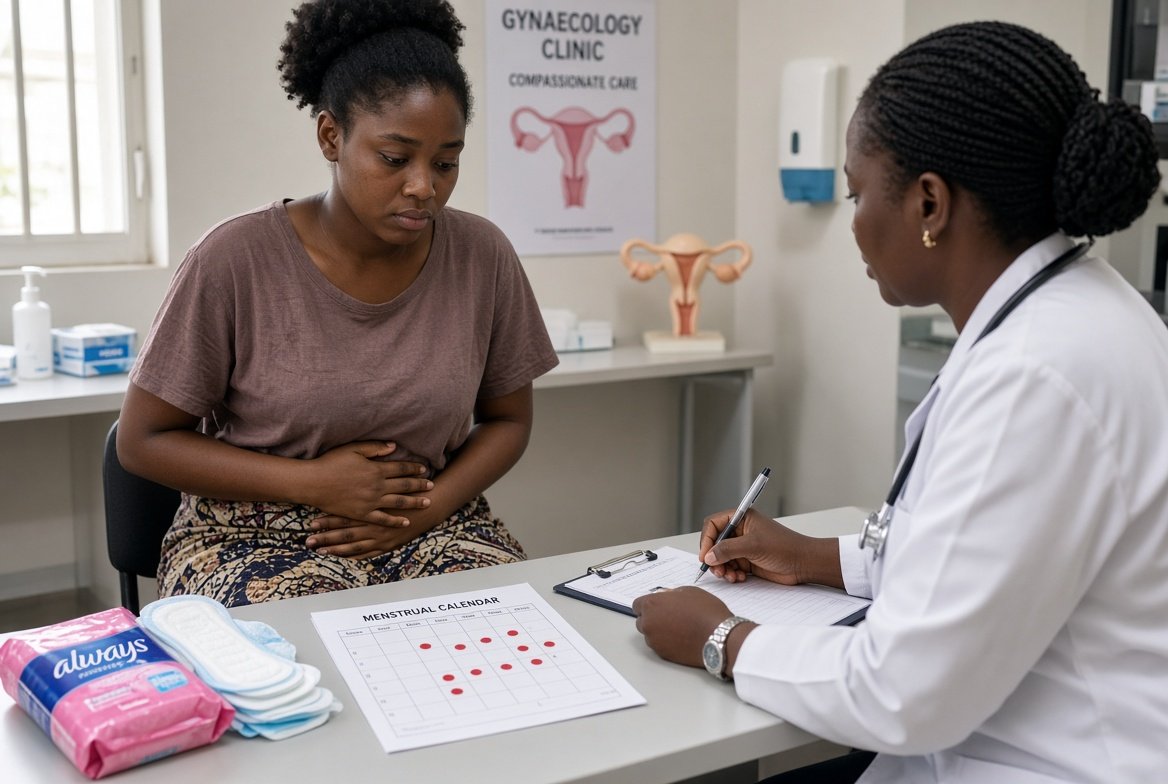
Abnormal uterine bleeding (AUB) is bleeding from the uterine corpus that is abnormal in regularity, volume, frequency or duration, outside pregnancy. Normal menstruation: cycle 24 to 38 days, duration up to 8 days, cycle-to-cycle variation up to 7 to 9 days, blood loss up to 80 mL per cycle.
Heavy menstrual bleeding (HMB) is excessive loss that interferes with physical, social, emotional or material quality of life, and is the main complaint in about 30% of women of reproductive age. Intermenstrual bleeding, postcoital bleeding and postmenopausal bleeding need separate attention because of cancer risk.
The causes are classified by the PALM-COEIN scheme:
- Structural (PALM): Polyp, Adenomyosis, Leiomyoma (submucosal and other), Malignancy and hyperplasia
- Non-structural (COEIN): Coagulopathy, Ovulatory dysfunction, Endometrial disorders, Iatrogenic, Not otherwise classified
Common causes by age:
- Adolescence: anovulation (immature hypothalamic-pituitary-ovarian axis) and bleeding disorders (von Willebrand disease in about 13 to 20% of adolescents with HMB, platelet function defects)
- Reproductive years: ovulatory dysfunction (PCOS, thyroid disease, hyperprolactinaemia, stress, weight change), polyps, fibroids, adenomyosis, coagulopathy, endometrial causes, contraceptive breakthrough bleeding, and pregnancy complications
- Perimenopause: anovulation, fibroids, polyps, hyperplasia, endometrial cancer
- Postmenopause: atrophy (60 to 80%), polyps, hyperplasia, endometrial cancer (5 to 10%), hormone therapy
Pregnancy related causes (ectopic, miscarriage, molar pregnancy) must be excluded in every woman of reproductive age. Anticoagulants, tamoxifen, copper IUD and antipsychotics (via prolactin) are other causes.
