
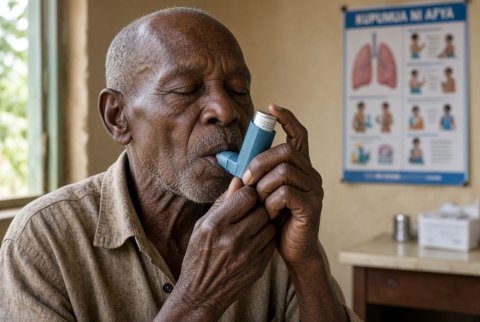











Acute Chest Syndrome
Also known as: Sickle Cell Acute Chest Syndrome

Acute chest syndrome (ACS) is a new pulmonary infiltrate with fever, respiratory symptoms or hypoxia in sickle cell disease. It is the leading cause of death and ICU admission.
Occurs in about 50% of patients at least once, often after vaso-occlusive pain crisis.
Causes: infection (Chlamydia, Mycoplasma, viruses, S. pneumoniae), fat embolism from infarcted marrow, pulmonary infarction, hypoventilation from rib pain or opioids, atelectasis, fluid overload.
Higher risk with HbSS, high white count, asthma, previous episodes.
Complications: respiratory failure, stroke, multi-organ failure, chronic lung disease, mortality 3%.
