








Acute Fibrinous Organising Pneumonia
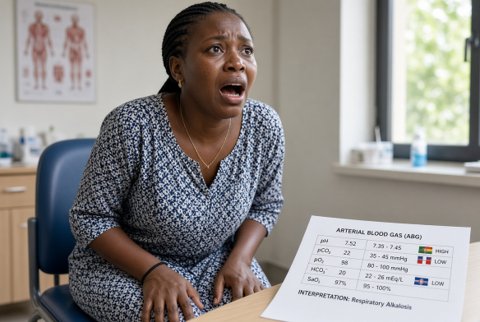
A rare acute or subacute lung injury pattern with intra-alveolar fibrin balls ("fibrin balls") and organising pneumonia, without hyaline membranes or eosinophils, causing severe hypoxaemia that often resembles acute respiratory distress syndrome.
- Causes: infection (influenza, SARS-CoV-2, Pneumocystis, Mycoplasma, Legionella, cytomegalovirus), drugs (amiodarone, nitrofurantoin, rituximab, statins, checkpoint inhibitors), connective tissue disease (systemic lupus, rheumatoid arthritis, myositis), haematopoietic cell or lung transplantation, inhalation (dusts, fumes, cocaine), malignancy, and idiopathic.
- Mean age about 50 to 60 years; it is rare and incidence is unknown. In the acute fulminant form mortality is about 50% and in the subacute form about 20 to 30%.
- Mechanism: severe alveolar epithelial injury with intra-alveolar coagulation and fibrin deposition that is organised into fibroblast plugs.
