










Acute Haemorrhagic Pancreatitis
Also known as: Acute Hemorrhagic Pancreatitis, Necrotising Haemorrhagic Pancreatitis
Acute haemorrhagic pancreatitis is severe necrotising pancreatitis with haemorrhage into or around the pancreas, causing shock, retroperitoneal bleeding, flank and umbilical ecchymoses (Grey Turner and Cullen signs), and multi-organ failure.
Epidemiology. Acute pancreatitis occurs in about 30 to 40 cases in 100,000 people each year, and about 10 to 20% develop severe disease. Necrosis with organ failure carries mortality of 15 to 30%, and higher with infected necrosis.
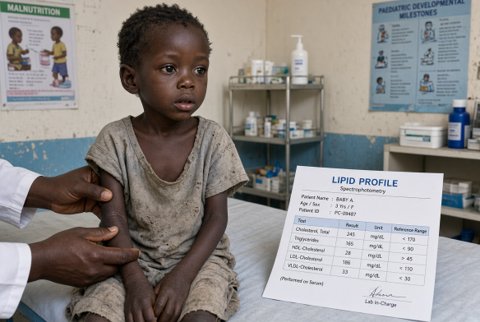
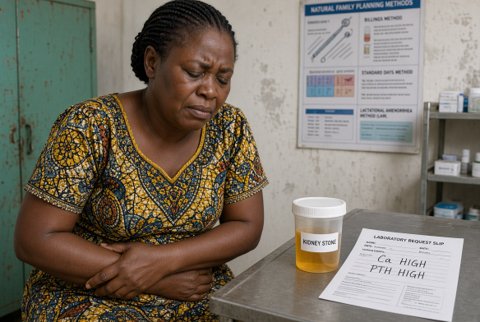
Causes and associations. Gallstones, alcohol, hypertriglyceridaemia (over 11.3 mmol/L or 1000 mg/dL), hypercalcaemia, drugs (azathioprine, valproate, thiazides), post-endoscopic retrograde cholangiopancreatography, trauma, infection, autoimmune disease and genetic factors.
Classification. Mild (no organ failure), moderately severe (transient organ failure under 48 hours or local complications), severe (persistent organ failure over 48 hours).
Pathophysiology. Premature trypsinogen activation and autodigestion cause inflammation, microvascular injury and necrosis. Elastase and lipase damage vessel walls, giving haemorrhage and pseudoaneurysm formation (splenic, gastroduodenal, pancreaticoduodenal arteries). Systemic inflammation produces shock, ARDS and kidney injury.
