
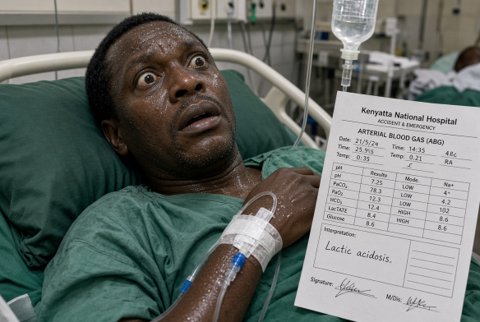











Amlodipine Overdose
Amlodipine overdose causes profound vasodilatory shock, with preserved or reflex increased heart rate, non-cardiogenic pulmonary oedema and, in large ingestions, bradycardia and multiorgan failure. It is the most important dihydropyridine calcium channel blocker poisoning.
Amlodipine is among the most prescribed drugs, and overdoses are increasing. Serious toxicity is likely above 0.5 mg/kg or 10 mg in children, and above 30 to 50 mg in adults. Deaths occur with ingestions over 100 mg.
Risk factors for harm. Co-ingestion with beta blockers or other antihypertensives, older age, cardiac disease and large ingestions.
Course. Onset can be delayed by 6 hours or more, and shock persists for 24 to 72 hours because of the long half life (30 to 50 hours).
Pathophysiology.
Blockade of L-type calcium channels in vascular smooth muscle causes vasodilatation and reduced systemic vascular resistance. At high doses, blockade extends to the myocardium and pancreatic beta cells.
Impaired insulin release causes hyperglycaemia, and metabolic derangement worsens shock.
