



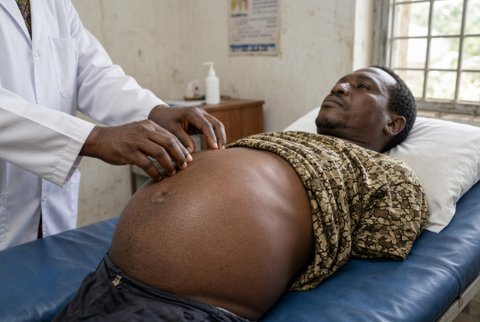








Bladder Outlet Obstruction
Also known as: BOO
Bladder outlet obstruction is impaired emptying of the bladder due to anatomical or functional obstruction at the bladder neck, prostate or urethra. It increases detrusor pressure, causes hypertrophy and trabeculation, and leads to incomplete emptying, retention and, if prolonged, bilateral hydroureteronephrosis and chronic kidney disease. It is the commonest cause of postrenal acute kidney injury in men over 50 years.
Causes by sex and age:
- Men: benign prostatic enlargement (the commonest; present in over 50% of men aged 60 years), prostate cancer, urethral stricture (post-instrumentation, infection, trauma), bladder neck contracture after surgery, phimosis, urethral calculus, clots
- Women: pelvic organ prolapse (cystocele), uterine fibroids and retroverted gravid uterus, urethral stricture or diverticulum, post-surgical (anti-incontinence procedures), Fowler syndrome (impaired sphincter relaxation in young women), bladder neck dysfunction
- Children: posterior urethral valves in boys, urethral atresia, ureterocele prolapse, phimosis, meatal stenosis
- Functional and neurological: detrusor sphincter dyssynergia (spinal cord injury, multiple sclerosis), diabetic neuropathy, anticholinergics, opioids, alpha agonists (pseudoephedrine), calcium channel blockers, antipsychotics, tricyclic antidepressants, constipation, post-operative retention, delirium
Patterns of retention:
- Acute retention: painful inability to void, retained volume usually 500 mL to 1 L
- Chronic retention: painless, residual volume above 300 mL (high pressure chronic retention: above 800 mL, hydronephrosis, impaired renal function, nocturnal enuresis)
- Retention with overflow incontinence
