











Delirium
Delirium is an acute, fluctuating disturbance of attention, awareness, and cognition. It develops over hours to a few days as a direct physiological consequence of an acute medical condition, medication effect, substance intoxication or withdrawal, or a combination of these.
It is among the commonest and most significant complications of acute hospital care, and is frequently preventable. It is particularly common in older adults and those with pre-existing cognitive impairment.
Delirium carries well established morbidity and mortality, both directly and through its association with subsequent functional and cognitive decline. This makes prevention, prompt recognition, and systematic treatment of the precipitating cause or causes critical. Distinguishing delirium from major neurocognitive disorder is essential (see that condition).
Pathophysiology and classification
- Delirium is a final common pathway of acute, global cerebral dysfunction from a diverse range of precipitating insults. Proposed mechanisms include neuroinflammation, neurotransmitter imbalance (particularly cholinergic deficiency and dopaminergic excess), and disruption of neural network connectivity.
- Individual susceptibility reflects the interplay between baseline predisposing vulnerability (advanced age, pre-existing cognitive impairment, frailty, sensory impairment, and significant comorbidity) and the severity of the acute insult. A minor insult can precipitate delirium in a highly vulnerable individual, whereas a more substantial insult may be needed in a robust, lower vulnerability individual.
- Delirium is classified by motor subtype:
- Hyperactive: agitation, restlessness, and increased psychomotor activity. It is generally the most readily recognised.
- Hypoactive: lethargy, reduced responsiveness, and decreased psychomotor activity. It is frequently underrecognised and misattributed to depression, fatigue, or simply "settling", despite carrying an equal, or in some studies greater, prognostic significance than the hyperactive subtype.
- Mixed: fluctuating between hyperactive and hypoactive features.
- The hypoactive subtype is subtle and easily overlooked, so recognising it is an important, frequently missed opportunity for earlier identification and treatment.
- Common precipitating causes:
- Infection (particularly urinary tract infection and pneumonia, though any significant infection can precipitate delirium).
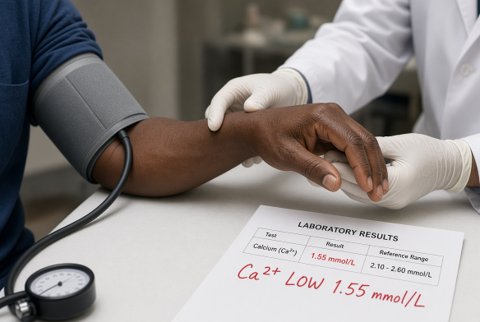
- Metabolic derangement (including hyponatraemia, hypercalcaemia, hypoglycaemia, and renal or hepatic impairment).
- Medication effects (particularly anticholinergic, sedative, and opioid medications, and any recent medication change).
- Significant pain, urinary retention or faecal impaction, and hypoxia.
- In the postoperative setting, the combined stress of surgery, anaesthesia, and analgesic medication.
- Delirium frequently reflects the cumulative contribution of multiple concurrent precipitants rather than a single, isolated cause.
