











Functional Vomiting
Functional vomiting is recurrent vomiting, occurring on average at least once per week over the last 3 months, with onset at least 6 months before diagnosis. It is diagnosed in the absence of self-induced vomiting, an eating disorder, rumination, a major psychiatric disorder, or organic, systemic or metabolic disease that explains the vomiting. There must also be no diagnosis of cyclic vomiting syndrome or cannabinoid hyperemesis syndrome.
- It is uncommon, with a prevalence of about 1 to 2% of adults, and about 1% of the population in surveys. Women are affected somewhat more than men, and it occurs in young and middle aged adults. It is often under recognised, and may be misdiagnosed as gastroparesis.
- Mechanisms (not fully defined): abnormalities of the brain gut axis, visceral hypersensitivity, altered gastric motor function (impaired accommodation, delayed emptying, and gastric dysrhythmia in some), autonomic dysfunction, psychological factors (anxiety, depression, trauma, and stress), and conditioned responses.
- Associations: functional dyspepsia, functional nausea, irritable bowel syndrome, migraine, anxiety, depression, chronic pain, and use of cannabis or opioids. Vomiting may follow a stressful event, or a viral gastroenteritis (post-infectious).
- Difference from cyclic vomiting syndrome: functional vomiting has frequent but unpredictable episodes (at least once per week), with no stereotypical pattern. Cyclic vomiting syndrome causes intense, stereotypical episodes of acute vomiting lasting hours to days, separated by symptom free intervals of weeks to months.
- Difference from rumination: rumination syndrome involves effortless regurgitation of recently ingested food within minutes of a meal without nausea, whereas functional vomiting is true vomiting (with nausea, retching and forceful expulsion).
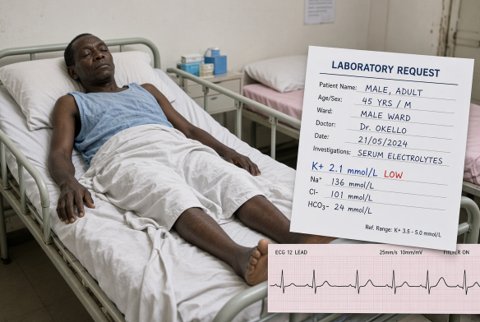
- Complications: dehydration, electrolyte disturbance (hypokalaemia, hypochloraemic metabolic alkalosis), weight loss and malnutrition, dental erosion, oesophagitis, Mallory-Weiss tears, aspiration, reduced quality of life, and work absence.
