Contraindications. Pregnancy; tamoxifen with previous venous thromboembolism or stroke (caution); aromatase inhibitors in premenopausal women without ovarian suppression; severe liver disease for abiraterone and antiandrogens.
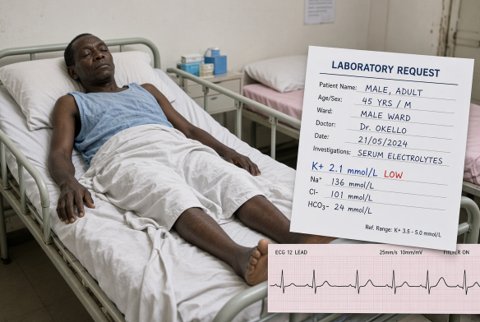
Adverse effects. Hot flushes, vaginal dryness, bone loss and fractures, arthralgia (aromatase inhibitors), thromboembolism and endometrial cancer (tamoxifen), loss of libido and erectile dysfunction, gynaecomastia, metabolic syndrome, cardiovascular risk and reduced bone density (androgen deprivation), mineralocorticoid excess with hypertension, hypokalaemia and oedema (abiraterone), seizures and fatigue (enzalutamide), and hepatotoxicity.
Interactions. Paroxetine and fluoxetine inhibit CYP2D6 and reduce tamoxifen activation (use sertraline or venlafaxine instead); rifampicin and phenytoin lower abiraterone and enzalutamide exposure; warfarin effect rises with tamoxifen.
Special groups.
- Pregnancy: contraindicated; use non-hormonal contraception.
- Breastfeeding: avoid.
- Children: not used.
- Older adults: bone and cardiovascular risks need management.
- Kidney impairment: no adjustment for most.
- Liver impairment: reduce abiraterone and avoid in severe impairment.
Monitoring. Bone density at baseline and every 1 to 2 years with aromatase inhibitors and androgen deprivation, with calcium, vitamin D and a bisphosphonate where indicated; lipids and glucose; blood pressure and potassium with abiraterone; liver enzymes; PSA and testosterone in prostate cancer; and annual gynaecological assessment with tamoxifen for abnormal bleeding.
Referral and escalation. Postmenopausal bleeding on tamoxifen, leg swelling or chest pain (venous thromboembolism), spinal cord compression symptoms during a GnRH agonist flare, pathological fracture, and adrenal insufficiency on abiraterone need urgent assessment.