
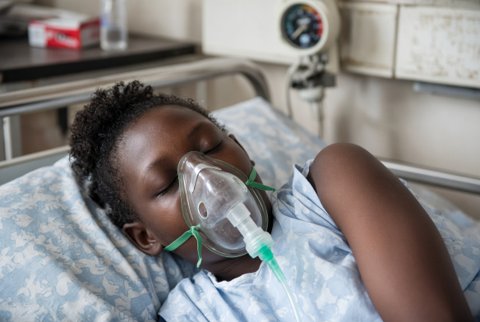











Hypovolemic Shock
Hypovolemic shock is circulatory failure from loss of intravascular volume that is not due to hemorrhage. Preload falls, so stroke volume and cardiac output fall, and the body compensates with tachycardia and intense vasoconstriction.
Causes by mechanism
- Gastrointestinal losses: severe diarrhea (cholera can cause 1 L/h), vomiting and high-output fistula
- Renal and endocrine losses: diabetic ketoacidosis, hyperosmolar state, adrenal crisis, osmotic diuresis and diabetes insipidus
- Skin and heat loss: burns, severe sweating and heat stroke
- Third-space losses: pancreatitis, bowel obstruction, peritonitis, crush injury and capillary leak
Children are especially vulnerable because of a high ratio of surface area to weight and small reserve. Adults can lose about 15% of blood volume (about 750 mL) with few signs, and shock appears after 30% (about 1.5 L). Hypotension is a late sign in children, who preserve pressure until about 25% of volume is lost.
Untreated shock produces lactic acidosis, acute kidney injury, ischemic bowel and multiorgan failure. Prognosis depends on speed of correction and cause. Complications: acute tubular necrosis, electrolyte disturbance, hypothermia and cardiovascular collapse.
