









IgG Subclasses
Immunoglobulin G comprises four subclasses (IgG1, IgG2, IgG3, IgG4), with distinct structure, function and distribution. IgG1 makes up 60 to 70% of total IgG and responds to protein antigens. IgG2 (20 to 30%) responds to polysaccharide antigens of encapsulated bacteria.
IgG3 (5 to 8%) fixes complement efficiently, and IgG4 (1 to 4%) is a non-complement-fixing subclass linked to chronic antigen exposure. Serum levels are measured by nephelometry, turbidimetry or ELISA with age specific reference ranges. Testing is requested in recurrent sinopulmonary infections despite normal total IgG, and for diagnosis of IgG4-related disease.
IgG subclass deficiency (IgG1 to IgG3) is controversial as a cause of disease: low subclasses occur in up to 10% of healthy people, and clinical significance needs recurrent infection plus impaired vaccine response.
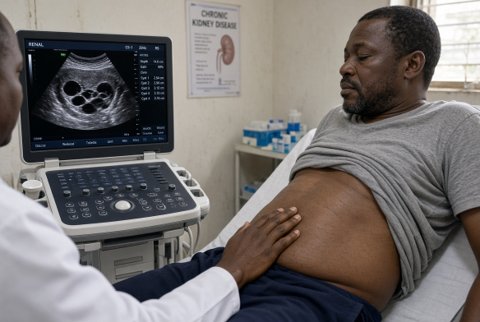
IgG4-related disease is a fibro inflammatory condition affecting the pancreas (autoimmune pancreatitis type 1), biliary tree, salivary and lacrimal glands, retroperitoneum, aorta, kidney and orbit, with serum IgG4 raised in 60 to 70%. Its incidence is about 1 in 100 000 a year, with a male predominance in middle to older age.
Indications. Recurrent or severe sinopulmonary infections (otitis media, sinusitis, pneumonia, bronchiectasis) with normal total immunoglobulins. Suspected IgG4-related disease (pancreatic mass or enlargement, bile duct strictures, enlarged salivary or lacrimal glands, retroperitoneal fibrosis, orbital pseudotumour, aortitis).
Suspected selective IgA deficiency with infections, ataxia telangiectasia, hyper-IgM syndromes. Evaluation of poor antibody response to polysaccharide vaccine.
Specimen. Serum 1 mL, no fasting. Stable for several days at 2 to 8 °C. Interpreted with age specific ranges, since values change with age.
