










Obesity Related Dyspnoea
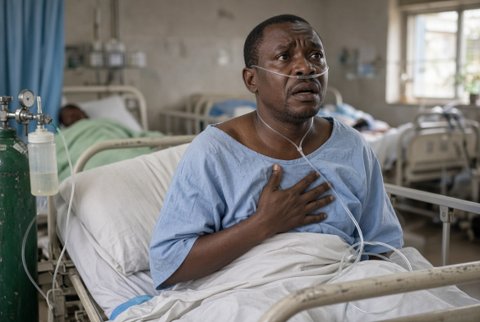
Obesity related dyspnoea is breathlessness caused or worsened by excess body weight, which increases the mechanical load on the respiratory system and the oxygen demand of breathing, and is often compounded by deconditioning, cardiac disease, sleep disordered breathing, asthma and anxiety. It is the commonest cause of exertional breathlessness in people with a body mass index of 30 kg/m2 or more, and is a diagnosis made after other causes are excluded.
- Mechanisms:
- Reduced chest wall compliance from fat on the chest, abdomen and diaphragm, with a fall in expiratory reserve volume and functional residual capacity (the most characteristic change), and sometimes airway closure at tidal breathing.
- Increased respiratory work of breathing, with 3 to 4 times higher oxygen cost of breathing than in lean people at the same ventilation, and increased oxygen demand from a larger body mass.
- Reduced respiratory muscle strength and endurance, and ventilation perfusion mismatch with hypoxaemia in the lung bases.
- Systemic inflammation and airway hyperresponsiveness (obesity related asthma), reflux, and leptin resistance.
- Associated disorders: obstructive sleep apnoea, obesity hypoventilation syndrome, heart failure with preserved ejection fraction, pulmonary hypertension, venous thromboembolism, coronary disease, and diabetes.
- Prevalence: obesity affects about 15 to 40% of adults depending on region, and about 30 to 40% of obese patients report breathlessness on exertion. Breathlessness increases with body mass index, especially above 35 to 40.
- Obesity hypoventilation syndrome is defined as a body mass index of 30 or more, daytime hypercapnia (partial pressure of carbon dioxide above 45 mmHg or 6 kPa) and sleep disordered breathing, without another cause of hypoventilation. It affects 10 to 20% of patients with obstructive sleep apnoea and obesity, and 30% of those with a body mass index above 40.
- Risk factors for severe disease: central (abdominal) obesity, body mass index above 40, male sex, older age, smoking, sleep apnoea, and sedentary lifestyle.
