










Post-extraction Haemorrhage
Also known as: Post-extraction Hemorrhage, Post-Extraction Bleeding, Bleeding After Tooth Extraction
Post-extraction haemorrhage is bleeding from a dental socket that continues or restarts after the extraction. It is classified as primary (at the time), reactionary (within the first 24 hours, as the effect of the local vasoconstrictor ends) and secondary (5 to 10 days after, usually from infection and clot breakdown).
Most bleeds are local and from gingival soft tissue or the socket, while some reflect a systemic disorder or drug effect. It is the commonest reason for emergency attendance after dental extraction.
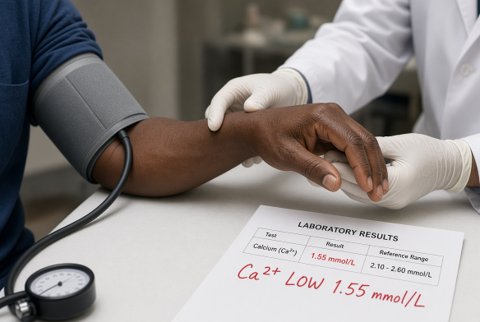
Pathophysiology. Normal haemostasis requires vasoconstriction, platelet plug formation and a fibrin clot. Local trauma, infection and vascular tissue, or a systemic defect (anticoagulant or antiplatelet drug, thrombocytopenia, haemophilia, von Willebrand disease, liver disease, renal disease), interrupt this.
Secondary bleeding comes from loss of the clot because of infection, trauma or vigorous rinsing.
