









Pressure Alopecia
Pressure alopecia is localised hair loss at a site of prolonged pressure on the scalp, usually from lying in one position on a hard surface for hours. It is most often seen after long operations and in neonates.
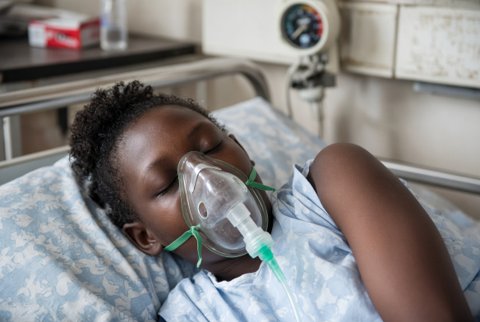
Postoperative (pressure induced) alopecia follows surgery longer than 4 hours, especially cardiac surgery or operations with hypotension and hypothermia, and appears 3 to 28 days after surgery. Neonatal occipital alopecia follows the first weeks of life on the back of the head. It also occurs in people who are bedridden or unconscious.
The hair loss is usually temporary. If pressure causes ulceration, scarring leads to permanent loss.
Pathophysiology.
Pressure on the scalp causes ischaemia of hair follicles, which leads to follicle damage and then loss of hair (anagen arrest) in the area. Hypotension, hypothermia and vasoconstrictor drugs add to the ischaemia.
In neonates, the loss reflects friction and a physiological change from anagen to telogen hair in the first months of life.
