











Ureteral Injury
Also known as: Ureteric Injury
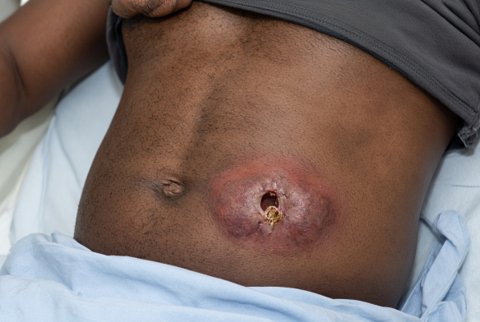
Ureteral injury is damage to the ureter by direct trauma, surgical injury or instrumentation. It presents with obstruction, urinary leakage (urinoma, fistula) or silent loss of renal function.
Causes:
- Iatrogenic injury accounts for 75 percent. Gynaecological surgery accounts for 50 percent (abdominal and laparoscopic hysterectomy, with 0.2 to 1 percent injury rates). Others are colorectal surgery, vascular surgery, and urological procedures, including ureteroscopy with 1 to 5 percent mucosal injury and 0.5 to 1 percent perforation or avulsion.
- External trauma accounts for about 25 percent. Penetrating trauma is more frequent than blunt, representing less than 3 percent of all urogenital trauma.
- The rest result from radiotherapy and endometriosis.
The ureter is vulnerable at the pelvic brim where it crosses the iliac vessels, in the broad ligament beneath the uterine artery ("water under the bridge"), and near the ureterovesical junction.
Risk factors: pelvic adhesions, endometriosis, large fibroids, malignancy, previous surgery and radiotherapy, congenital anomalies (duplex), bleeding and distorted anatomy.
Grades:
- I: haematoma.
- II: laceration under 50 percent of circumference.
- III: laceration 50 percent or greater.
- IV: complete transection with up to 2 cm devascularisation.
- V: avulsion with more than 2 cm devascularisation.
