









Aarskog-Scott Syndrome
Also known as: Faciogenital Dysplasia, FGD1 Syndrome
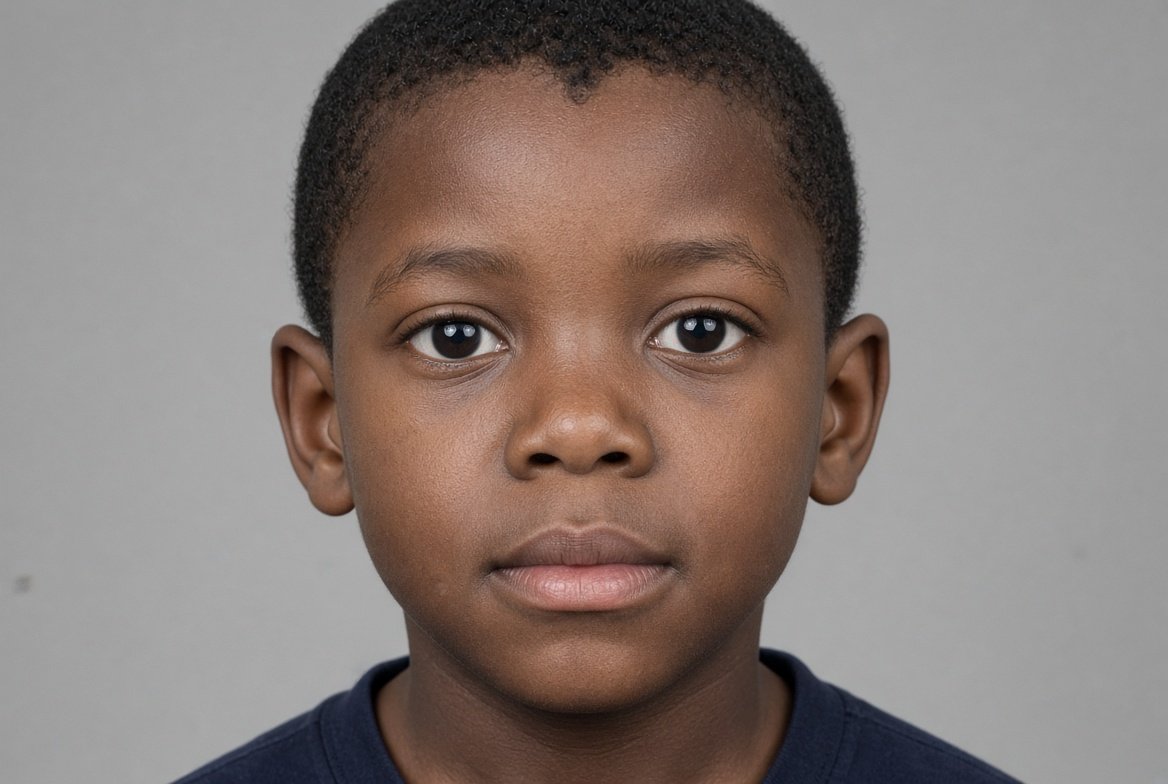
Aarskog-Scott syndrome (faciogenital dysplasia) is an X-linked disorder caused by pathogenic variants in FGD1, with short stature, hypertelorism, a shawl scrotum, brachydactyly and joint laxity.
Male patients are affected, and carrier females have mild features.
Pathophysiology
FGD1 encodes a guanine nucleotide exchange factor for the small GTPase CDC42, which controls the actin cytoskeleton during bone and tissue growth.
Loss of function disrupts skeletal and genital development.
About 30% of cases are de novo, and the rest are inherited from carrier mothers.
Intelligence is normal or mildly reduced, with ADHD and learning problems common.
