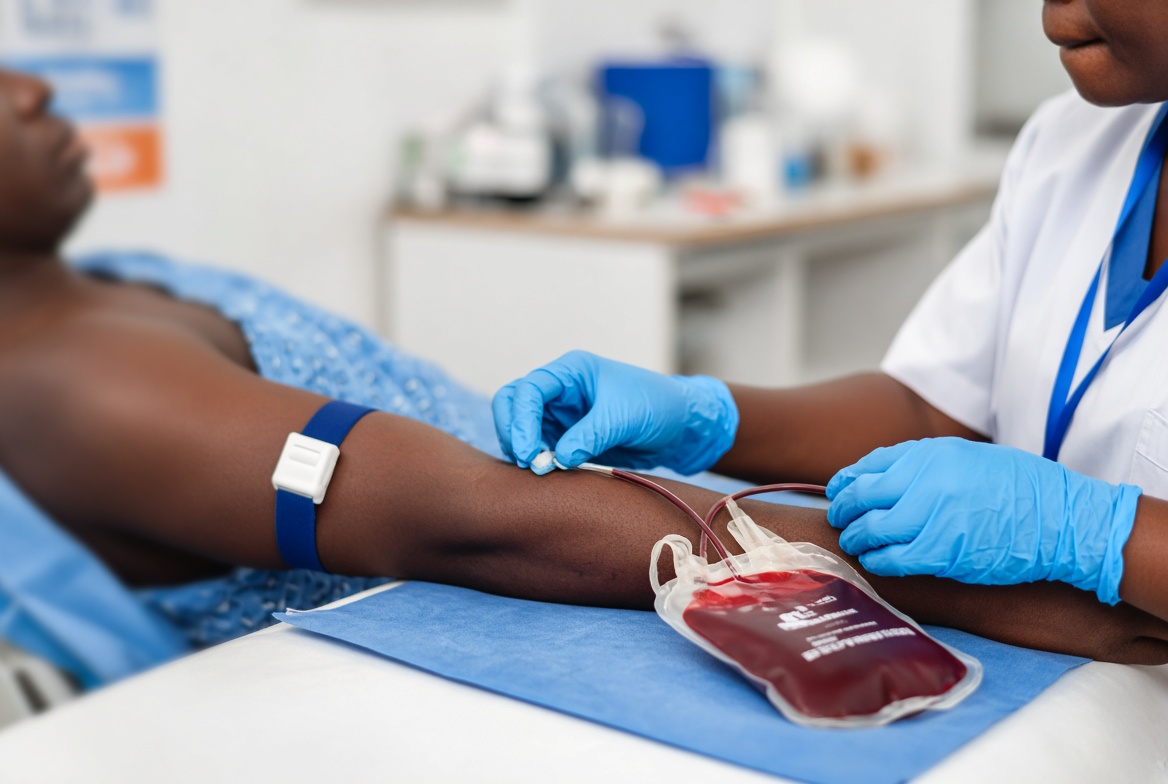
Therapeutic phlebotomy is the mainstay of treatment for hereditary hemochromatosis: weekly or twice weekly venesection of approximately 450 to 500 mL initially, continued until ferritin falls to the target range (generally 50 to 100 micrograms per liter), followed by maintenance phlebotomy every few months thereafter to keep iron stores within target range lifelong.
Treatment initiated before the onset of cirrhosis or diabetes can prevent these complications entirely and restores normal life expectancy, which is why early identification through family screening of first degree relatives once an index case is diagnosed is a central part of management.
Dietary advice includes avoiding iron supplements and excessive vitamin C intake (which enhances iron absorption), and moderating alcohol intake given the compounding effect on liver injury, though strict dietary iron restriction is not generally necessary once phlebotomy is established.
Iron chelation therapy (deferasirox, deferoxamine, or deferiprone) is reserved for secondary iron overload where phlebotomy is not feasible due to underlying anemia, such as in transfusion dependent conditions.
Once cirrhosis has developed, hepatocellular carcinoma surveillance (six monthly ultrasound with or without AFP) continues indefinitely even after iron stores are normalized by treatment, since established cirrhosis carries ongoing cancer risk regardless of subsequent iron status.
Referral: hepatology or gastroenterology for diagnosis confirmation and management; hematology for phlebotomy program coordination; genetic counseling and screening for first degree relatives once an index case is confirmed.
That completes the GI/Hepatobiliary group (items 1 to 17). Send the word when you want the next group (Cardiology and Respiratory, items 18 to 28).