








Acquired Hypothyroidism In Children
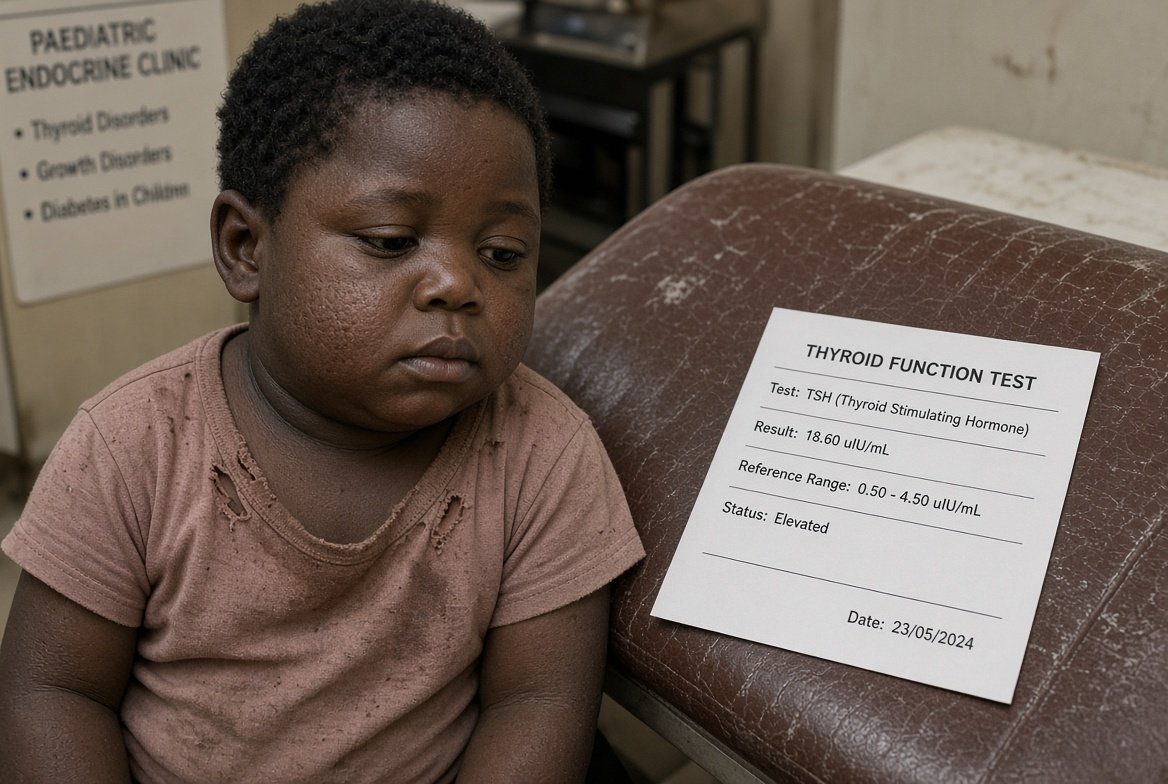
Acquired hypothyroidism is thyroid hormone deficiency developing after the neonatal period in a child whose thyroid functioned normally at birth. It affects about 1 to 2% of children and adolescents, with a female to male ratio of about 2 to 4:1 and a peak around puberty.
Causes:
- Chronic autoimmune (Hashimoto) thyroiditis, the commonest cause where iodine is sufficient (over 90%), with anti-thyroid peroxidase and anti-thyroglobulin antibodies. It is associated with type 1 diabetes, coeliac disease, Addison disease, vitiligo, juvenile arthritis, Down syndrome (30 to 40% develop thyroid dysfunction), Turner syndrome (30 to 50%), Klinefelter and Williams syndromes, and the autoimmune polyglandular syndromes
- Iodine deficiency (endemic goitre) or excess
- Iatrogenic: thyroidectomy, radioiodine, neck irradiation (including craniospinal and total body irradiation), antithyroid drug overtreatment, and drugs (lithium, amiodarone, interferon alpha, tyrosine kinase inhibitors, immune checkpoint inhibitors)
- Central (secondary or tertiary) hypothyroidism: pituitary or hypothalamic disease (craniopharyngioma, germinoma, head injury, cranial irradiation, septo optic dysplasia, genetic hypopituitarism), with low or normal TSH
- Infiltrative disease (cystinosis, Langerhans cell histiocytosis, iron overload in thalassaemia)
- Subacute thyroiditis, during its hypothyroid phase
- Dyshormonogenesis and thyroid hormone resistance
- Consumptive hypothyroidism from hepatic haemangiomas (type 3 deiodinase)
