

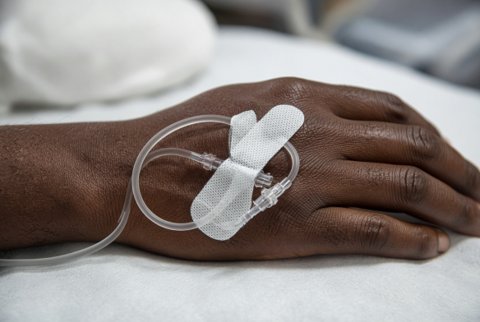










Acute Compartment Syndrome
Also known as: ACS, Acute Limb Compartment Syndrome
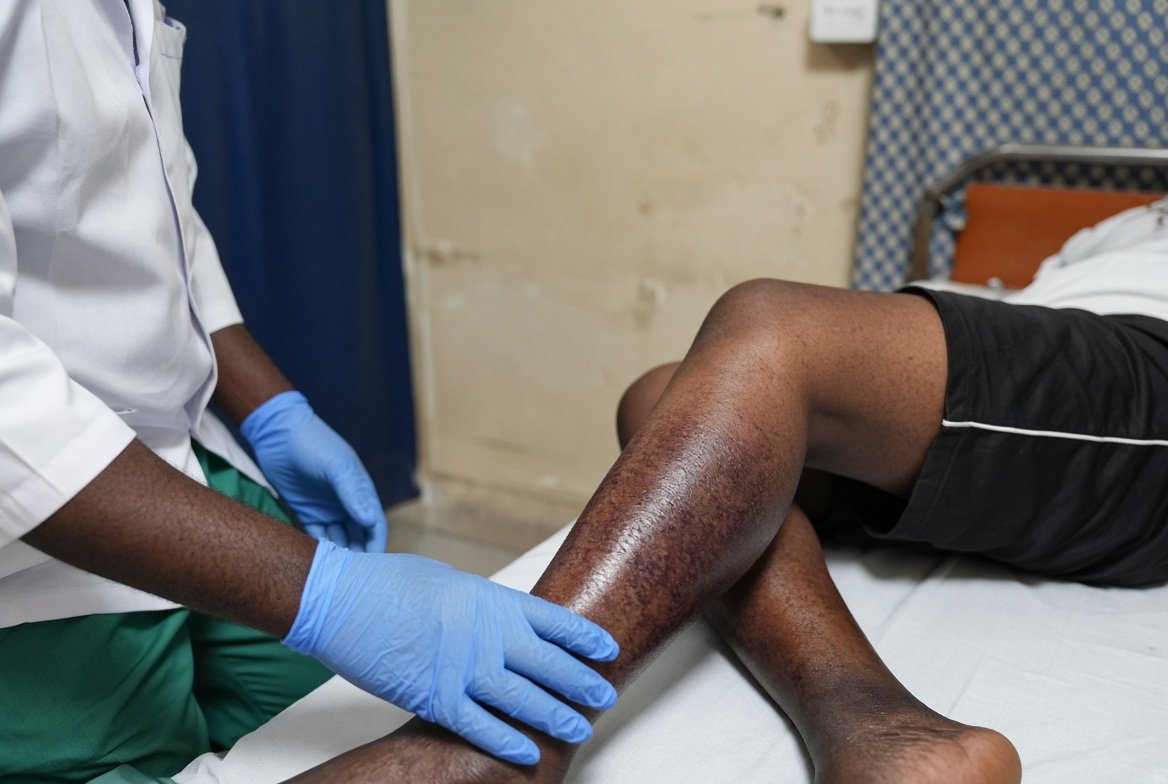
Acute compartment syndrome (ACS) is a surgical emergency in which raised pressure within a closed osteofascial compartment reduces tissue perfusion enough to cause muscle and nerve ischaemia and necrosis. It occurs most often in the leg (anterior and deep posterior compartments) and forearm, but also in the thigh, hand, foot, buttock and abdomen.
The commonest cause is fracture (tibial shaft fractures 1 to 10% and forearm fractures about 3%). Other causes are crush injuries, soft tissue contusion, vascular injury and reperfusion, tight casts or dressings, burns, intravenous infusion extravasation, snake bite, prolonged limb compression (after drug overdose or surgery in lithotomy position) and anticoagulant haematoma. Young men (under age 35) and children are at higher risk.
Irreversible muscle damage starts after 4 to 6 hours of ischaemia, and nerve damage after 2 to 4 hours of severe ischaemia. Complications are muscle necrosis, permanent nerve deficit, Volkmann ischaemic contracture, rhabdomyolysis with acute kidney injury and hyperkalaemia, infection after fasciotomy, amputation, and death.
Pathophysiology.
Bleeding and oedema in a closed compartment increase interstitial pressure. When pressure approaches diastolic pressure the capillary blood flow stops, though arterial pulses stay present because the pressure is lower than systolic pressure. Ischaemic muscle swells further, which sets up a vicious cycle. Hypotension lowers the threshold for ischaemia.
Perfusion pressure is the diastolic blood pressure minus the compartment pressure (delta pressure). A delta pressure of under 30 mmHg indicates a compartment syndrome.
