










Anterior Uveitis
Also known as: Iritis, Iridocyclitis
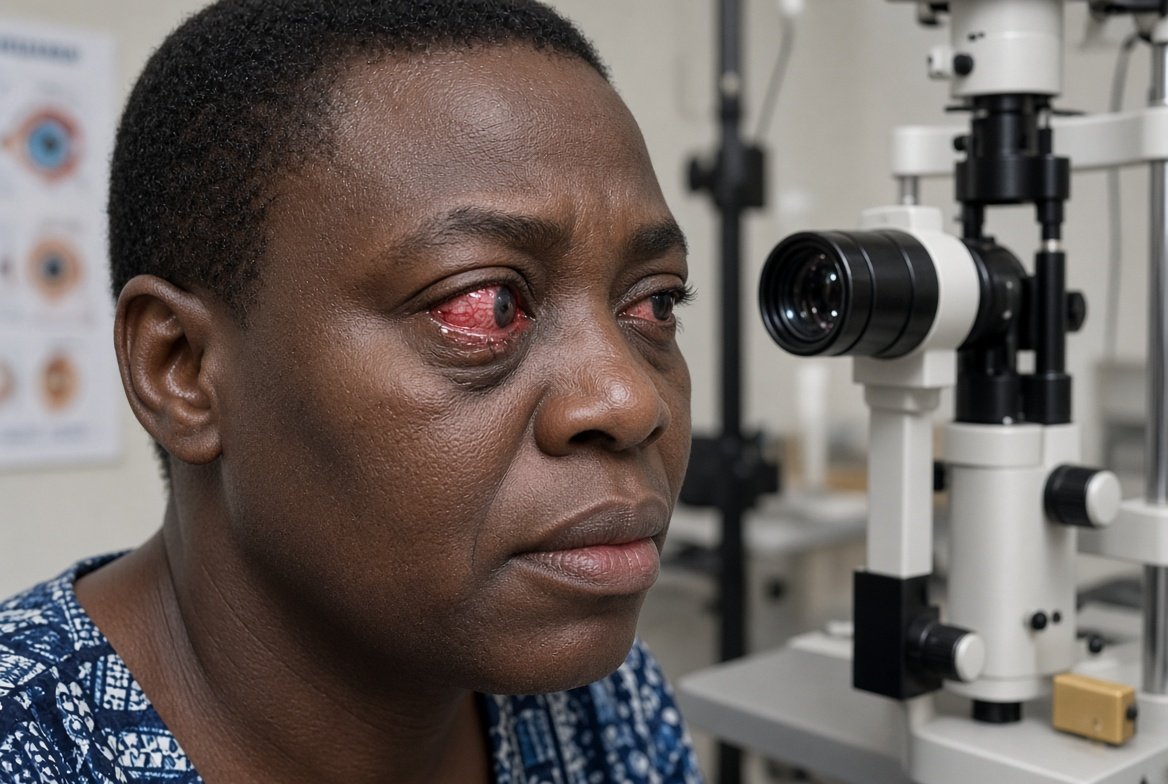
Anterior uveitis is inflammation of the iris and ciliary body (iritis and iridocyclitis). It is the most common form of uveitis (about 75%), with incidence of 8 to 12 in 100,000 a year and peak onset between 20 and 50 years. HLA-B27 is positive in about half of acute cases.
Associations: ankylosing spondylitis and other spondyloarthropathies, reactive arthritis, inflammatory bowel disease, psoriatic arthritis, juvenile idiopathic arthritis (chronic, painless, usually antinuclear antibody positive), sarcoidosis, Behçet disease, herpes simplex and zoster, syphilis, tuberculosis, Fuchs heterochromic cyclitis and trauma. Roughly half remain idiopathic.
Complications: posterior synechiae with iris bombé, secondary glaucoma, cataract, band keratopathy, cystoid macular edema and hypotony. Recurrence is common, particularly with HLA-B27 disease.
