








Bedside Algorithm for Suspected Transfusion Reaction
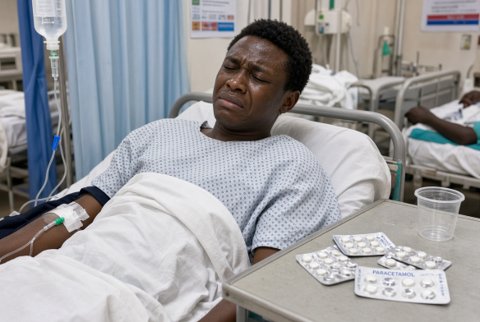
Any new symptom or sign during a transfusion or in the hours after it must be taken as a possible transfusion reaction until another cause is proven. Acute reactions occur during transfusion or within 24 hours (most within 4 to 6 hours, and the most dangerous within the first 15 minutes). Early recognition depends on baseline observations, careful monitoring and a low threshold for stopping.
Triggers to suspect a reaction.
Temperature of 38 degrees Celsius or over, or a rise of 1 degree Celsius or more from baseline.
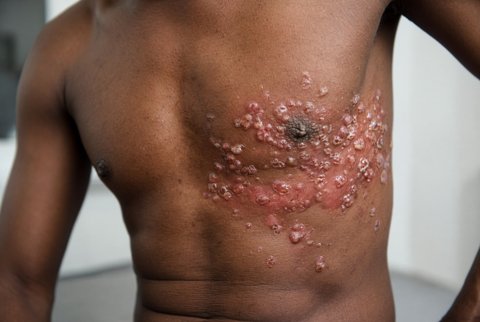
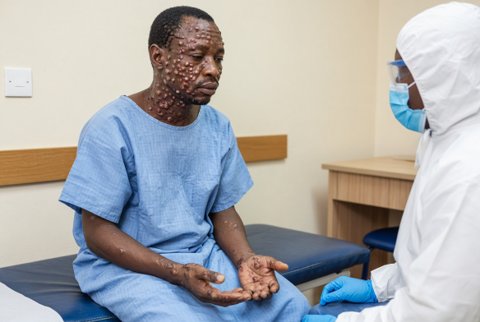
Rigors, chills, flushing, urticaria, itch, facial swelling or wheeze.
Chest, back, loin or infusion site pain.
Dyspnoea, hypoxia, cough, stridor.
Hypotension (fall in systolic pressure of 30 mmHg or more), tachycardia (rise of 30 beats a minute or more), or hypertension.
Nausea, vomiting, agitation, sense of doom.
Haemoglobinuria (dark or red urine), oozing from sites or unexplained bleeding.
Severity.
Mild: isolated skin reaction (limited urticaria or itch), or fever with a rise under 2 degrees Celsius without other signs.
Moderate: fever with a rise of 2 degrees Celsius or more, rigors, generalised urticaria, or mild dyspnoea.
Severe or life-threatening: hypotension, hypoxia, bronchospasm, stridor, severe pain, shock, haemoglobinuria, renal failure or bleeding.
Main reaction types. Acute haemolytic, febrile non-haemolytic, allergic and anaphylactic, transfusion related acute lung injury, transfusion associated circulatory overload, bacterial contamination, hypotensive, and delayed types that appear days later.
