Carpal Tunnel Syndrome
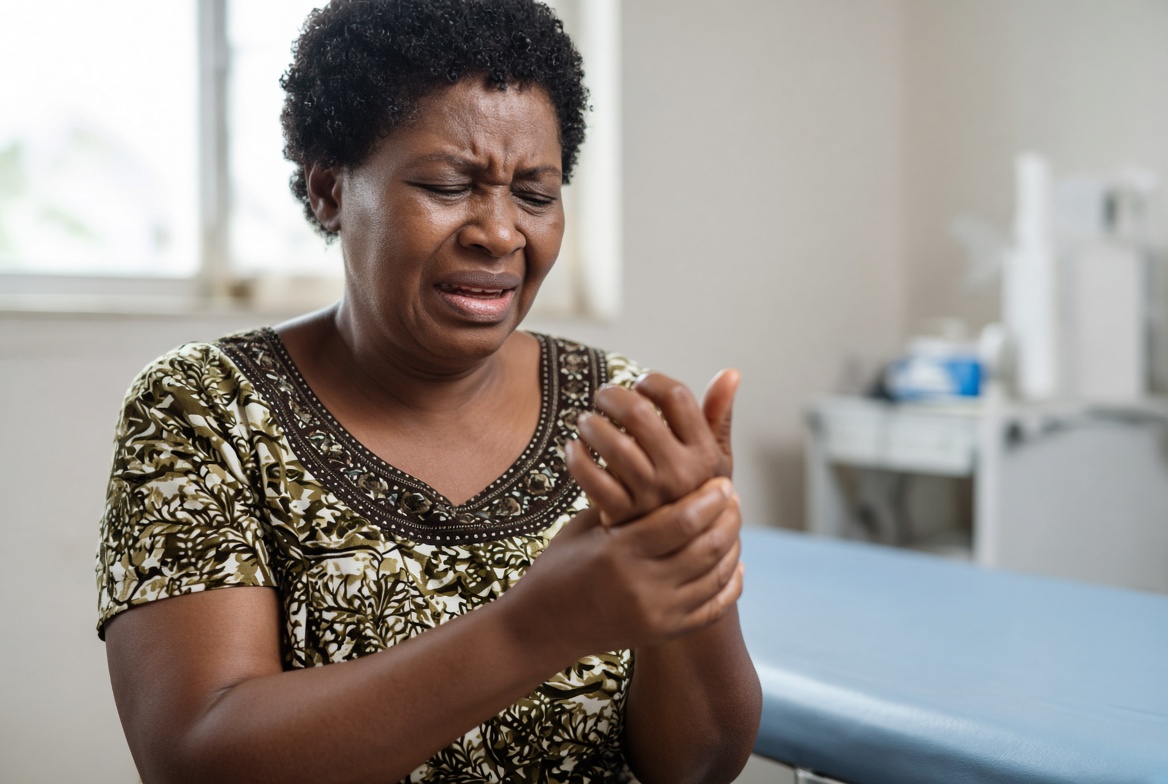
Median nerve compression within the carpal tunnel at the wrist, most common entrapment neuropathy.
Risk factors: repetitive wrist movements/occupational strain, pregnancy (fluid retention), obesity, diabetes, hypothyroidism, rheumatoid arthritis, wrist fracture/trauma, amyloidosis.
Numbness/tingling/pain in median nerve distribution (thumb, index, middle, radial half ring finger): classically worse at night, may wake patient, relieved by shaking hand ("flick sign").
Progresses to weakness/clumsiness (thenar muscle weakness, dropping objects), thenar wasting in advanced/untreated cases.
Phalen's test (wrist flexion 60 sec reproduces symptoms) and Tinel's sign (percussion over carpal tunnel reproduces tingling) support diagnosis but have limited individual sensitivity/specificity.
Primarily clinical.
Nerve conduction studies/EMG: confirms diagnosis, grades severity, distinguishes from other neuropathy/cervical radiculopathy , particularly valuable before surgical referral or if diagnosis unclear.
Investigate underlying cause if bilateral/atypical: TSH, glucose/HbA1c, consider RA screen, pregnancy status.
Differentials: cervical radiculopathy (C6 — neck pain, different sensory pattern), thoracic outlet syndrome, peripheral neuropathy (diabetic, other), de Quervain's tenosynovitis, ulnar nerve compression.
- Wrist splinting (neutral position, worn at night ± daytime): first-line, effective particularly for mild-moderate disease
- Activity modification: reduce repetitive/aggravating wrist movements, ergonomic adjustment
- NSAIDs: symptomatic relief, limited evidence for disease course itself
- Corticosteroid injection into carpal tunnel: effective short-medium term symptom relief, reasonable option before surgery or if surgery not desired/contraindicated
- Treat underlying cause if identified: thyroid optimization, diabetes control, pregnancy-related often resolves postpartum
- Surgical carpal tunnel release: indicated for severe/persistent symptoms despite conservative management, significant motor involvement/thenar wasting, or severe findings on nerve conduction studies — open or endoscopic technique, high success rate
Referral: hand surgery/orthopedics for surgical consideration, neurology for nerve conduction studies/diagnostic uncertainty.