









Chronic Granulomatous Disease
Also known as: CGD
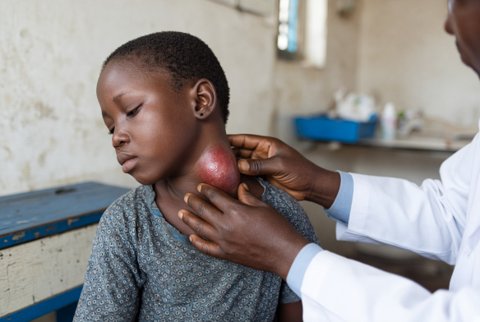
Chronic granulomatous disease is an inherited disorder of phagocyte NADPH oxidase, which prevents production of reactive oxygen species needed to kill certain bacteria and fungi. It causes recurrent life threatening infections and inflammatory granulomas.
The incidence is about 1 in 200 000 to 250 000 births. About 65% of cases are X-linked (CYBB, gp91phox), and the remainder are autosomal recessive (CYBA, NCF1, NCF2, NCF4). Presentation is usually in the first year or two of life, but it may be delayed in autosomal recessive disease.
Typical pathogens are catalase positive organisms: Staphylococcus aureus, Aspergillus species, Burkholderia cepacia complex, Serratia marcescens, Nocardia species, Salmonella and Klebsiella.
Pathophysiology.
Failure of the respiratory burst means phagocytes can ingest but not kill catalase positive organisms. Persistent infection and impaired regulation of inflammation lead to granuloma formation.
Defective neutrophil apoptosis and clearance cause excessive inflammation and autoimmune features, including colitis.
