










Diclofenac Poisoning
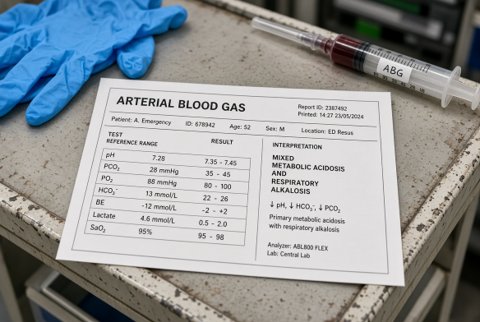
Diclofenac poisoning causes gastrointestinal, renal, hepatic and neurological toxicity. Compared with ibuprofen, large overdoses are more likely to cause seizures, kidney injury, hepatitis and metabolic acidosis.
Diclofenac is widely used and sold over the counter in many countries. Serious toxicity is uncommon under about 50 mg/kg, but severe poisoning can occur above 100 mg/kg, and fatal cases are reported after intramuscular and large oral doses.
Risk factors for harm. Renal impairment, hypovolaemia, heart failure, cirrhosis, older age, concurrent nephrotoxic drugs, and mixed overdose.
Course. Symptoms develop within hours, and renal or hepatic injury appears at 24 to 72 hours. Most patients recover.
Pathophysiology.
Cyclo oxygenase inhibition reduces renal prostaglandins and gastric protection. Reactive metabolites may add idiosyncratic hepatotoxicity, and high doses impair mitochondrial function.
Acidosis and seizures occur in large doses through neuronal effects.
