










Introductory Laboratory Microbiology
This subsection introduces the core principles of specimen handling and basic laboratory technique. Detailed interpretation of laboratory results, and the full range of diagnostic modalities, is covered in the dedicated Diagnostic Microbiology section.
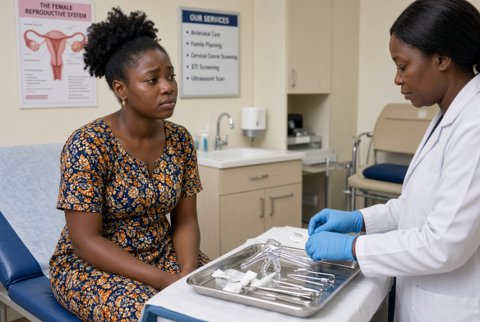
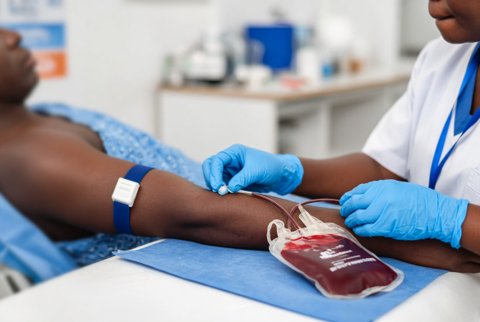
- Correct specimen: the specimen type must be appropriate to the suspected site and organism (for example, sputum for suspected pneumonia, midstream urine for suspected urinary tract infection); an inappropriate specimen produces a result that does not answer the clinical question.
- Correct timing: ideally collected before antimicrobial therapy is started, since even a single dose of antibiotic can suppress organism growth and produce a false-negative culture.
- Aseptic collection: technique must minimise contamination by normal microbiota or the environment, particularly critical for specimens from normally sterile sites (blood cultures, CSF), where contamination can generate a false impression of infection.
- Appropriate container: sterile, leak-proof, and matched to the test required (for example, specific transport media for anaerobic culture, or viral transport media for suspected viral infection).
- Rapid transport: delay between collection and laboratory processing allows overgrowth of contaminating or rapidly growing organisms and death of more fastidious pathogens, degrading the specimen's diagnostic value; some specimens require refrigeration or specific transport conditions to preserve organism viability during transit.
