

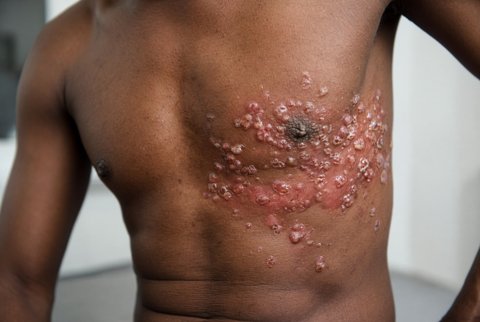










Molluscum Contagiosum
Molluscum contagiosum is a common, benign, self-limiting viral skin infection caused by molluscum contagiosum virus, a member of the poxvirus family. It spreads by direct skin-to-skin contact or, indirectly, via fomites.
It produces small, discrete, umbilicated papules, mainly though not exclusively in young children. Lesions often persist for months, in some cases a year or more, before spontaneous resolution.
The essential clinical priorities are:
- confident clinical diagnosis, given the readily recognisable morphology
- parental reassurance about the benign, self-limiting natural history
- recognition of atypical contexts, such as significant immunocompromise or genital lesions in an adult, which warrant consideration of an alternative or additional underlying explanation
Pathophysiology and transmission
- The virus infects epidermal keratinocytes. Localised viral replication and cellular hypertrophy produce the umbilicated papule. In most immunocompetent individuals the virus stays confined to the epidermis, with no systemic viraemia or dissemination.
- Transmission is by direct skin contact, shared bathing or swimming facilities, and in some cases fomites such as shared towels or other items.
- Autoinoculation is common. Spread from an existing lesion to a new site by scratching or other direct contact explains the clustering of lesions and their tendency to spread locally.
- In sexually active adults, genital lesions typically reflect sexual transmission.
- In children, genital involvement more typically reflects autoinoculation from lesions elsewhere on the body, not sexual contact or abuse. This is a sensitive distinction that needs individualised clinical judgement according to age and overall context.
- In significantly immunocompromised individuals, particularly those with advanced HIV infection, lesions can be unusually extensive, large and treatment-resistant. This marks significant underlying immunosuppression. Consider HIV testing in an adult with this pattern when the diagnosis has not already been established.
