











Nafcillin
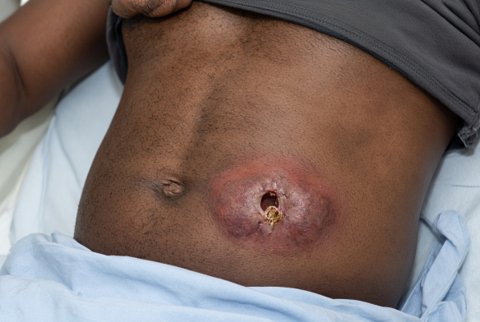
Nafcillin is an intravenous penicillinase-resistant penicillin used mainly in the United States and similar services for serious methicillin-susceptible Staphylococcus aureus (MSSA) infection. It is cleared mainly by the liver, so kidney function matters little.
Classification. Beta-lactam, anti-staphylococcal penicillin.
Mechanism. Binds penicillin-binding proteins; resistant to staphylococcal beta-lactamase.
Spectrum. MSSA, beta-haemolytic streptococci, pneumococci. Inactive against MRSA, enterococci and Gram-negative bacilli.
Pharmacokinetics. Not reliably absorbed orally. Half-life about 30 to 60 minutes. Protein binding about 90%. Eliminated mainly by biliary excretion and hepatic metabolism. It is a recognised inducer of CYP3A4, CYP2C9 and P-glycoprotein, so it lowers levels of many co-prescribed drugs. Availability in East Africa is limited.
