
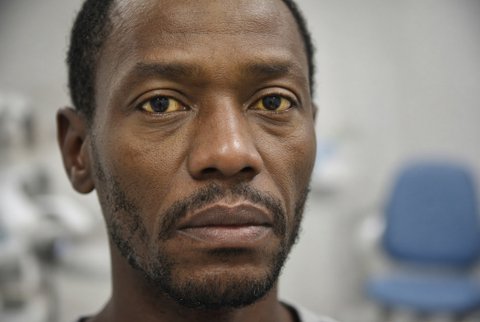











Neovascular Glaucoma
Also known as: NVG
Neovascular glaucoma (NVG) is a severe secondary glaucoma caused by fibrovascular membrane growth across the iris surface (rubeosis iridis) and anterior chamber angle, driven by vascular endothelial growth factor (VEGF) released from ischaemic retina, which blocks outflow and later contracts to cause angle closure.
- Causes (about 97 percent are retinal ischaemic disease): proliferative diabetic retinopathy (about one third), ischaemic central retinal vein occlusion (about one third, rubeosis in 16 to 60 percent), ocular ischaemic syndrome (carotid stenosis), long standing retinal detachment, intraocular tumours (uveal melanoma, retinoblastoma), chronic uveitis, sickle cell retinopathy, Coats disease, and after central retinal artery occlusion.
- Stages: rubeosis iridis with normal pressure, open angle (secondary open angle glaucoma) with fibrovascular membrane, then closed angle with peripheral anterior synechiae and very high pressure.
