Nephrotic Syndrome In Children
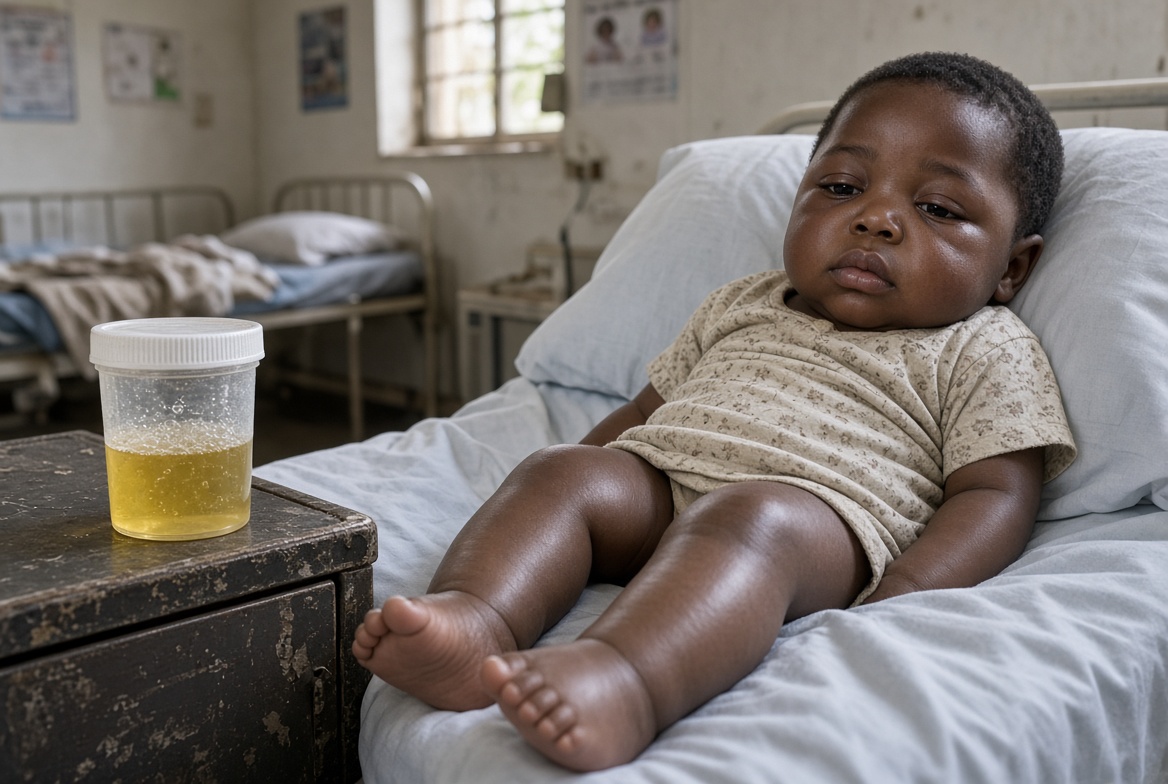
Nephrotic syndrome is characterized by heavy proteinuria, hypoalbuminaemia and oedema.
Minimal change disease is the dominant cause in childhood and is usually steroid responsive.
• Periorbital oedema, especially in the morning
• Dependent oedema
• Ascites
• Scrotal or vulval oedema
• Weight gain
• Reduced urine output
Complications include infection, thrombosis, hypovolaemia and acute kidney injury.
Typical findings:
• Urine protein 3+ or 4+
• Spot urine protein creatinine ratio in the nephrotic range
• Low serum albumin
• Hyperlipidaemia
Check renal function and electrolytes.
Atypical features such as persistent hypertension, gross haematuria, impaired renal function, low complement or systemic features should raise suspicion for an alternative glomerular disease.
For typical first episode childhood nephrotic syndrome:
• Prednisolone 60 mg/m²/day PO, maximum 60 mg/day, for approximately 4 to 6 weeks, followed by 40 mg/m² on alternate days, maximum 40 mg, for a further 4 to 6 weeks, depending on the treatment protocol used.
• Restrict added dietary salt during significant oedema.
• Do not routinely fluid restrict unless severe oedema, hyponatraemia or another specific indication exists.
• Severe symptomatic oedema may require specialist supervised IV albumin followed by furosemide because aggressive diuresis can precipitate intravascular depletion.
• Treat bacterial infection promptly.
• Steroid resistance, frequent relapses, steroid dependence or atypical features require paediatric nephrology review and consideration of kidney biopsy and steroid sparing therapy.