








Prostatitis
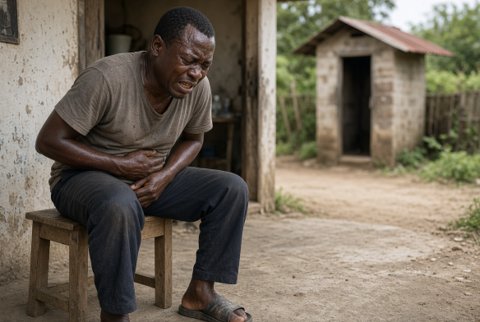
Prostatitis is a group of inflammatory and non-inflammatory conditions of the prostate that cause pelvic pain, voiding symptoms and sexual dysfunction. It affects 8 to 10% of men during their lifetime, and it is the commonest urological diagnosis in men under 50 years.
NIH classification
- Category I, acute bacterial prostatitis: acute prostatic infection with systemic features.
- Category II, chronic bacterial prostatitis: recurrent infection with the same organism, with or without symptoms between episodes.
- Category III, chronic prostatitis/chronic pelvic pain syndrome (CP/CPPS): pelvic pain for at least 3 months with no demonstrable uropathogen. Divided into IIIA (inflammatory, white cells in expressed prostatic secretions, semen or post-massage urine) and IIIB (non-inflammatory).
- Category IV, asymptomatic inflammatory prostatitis: found incidentally during evaluation of infertility, raised PSA or biopsy.
- Proportions: CP/CPPS accounts for about 90% of cases, chronic bacterial prostatitis 5 to 10%, and acute bacterial prostatitis under 5%.
Microbiology of bacterial prostatitis
- E. coli (65 to 80%), other Enterobacterales (Klebsiella, Proteus), Pseudomonas aeruginosa, and Enterococcus faecalis.
- In young sexually active men: Chlamydia trachomatis, Neisseria gonorrhoeae, and Trichomonas vaginalis.
- In immunosuppressed and HIV-infected men: Staphylococcus aureus, Mycobacterium tuberculosis, Cryptococcus, Candida, and Salmonella.
- Resistance (fluoroquinolone and ESBL producers) is rising, particularly after transrectal prostate biopsy.
Pathogenesis
- Bacterial: ascending urethral infection, intraprostatic reflux of infected urine, bacteraemic spread, and rectal flora introduced by transrectal biopsy or instrumentation. Prostatic stones and biofilms allow persistence.
- CP/CPPS is multifactorial: pelvic floor muscle dysfunction, neurogenic inflammation, central sensitisation, autoimmune mechanisms, urinary reflux, hormonal factors, psychological stress, and prior infection.
- Risk factors: BPH and urinary obstruction, indwelling catheter or instrumentation (biopsy, cystoscopy), unprotected anal intercourse, recent urinary tract infection or epididymitis, urethral stricture, immunosuppression, diabetes, and HIV.
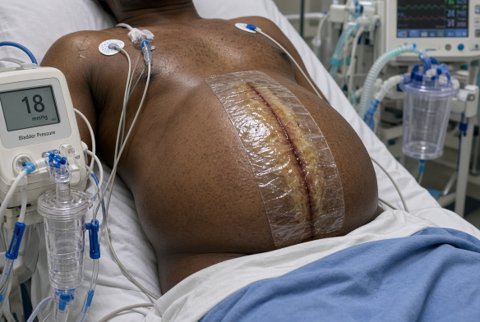
- Complications: urinary retention, prostatic abscess, sepsis, epididymitis, bacteraemia, chronic prostatitis, infertility, sexual dysfunction, and reduced quality of life.
