









Slapped Cheek Disease
Also known as: Erythema Infectiosum, Fifth Disease
Slapped cheek disease, also called erythema infectiosum or fifth disease, is caused by human parvovirus B19, a single stranded DNA virus that infects erythroid progenitor cells.
- Epidemiology: most common in school age children (4 to 10 years); late winter and spring epidemics; incubation 4 to 14 days (up to 21); spread by respiratory secretions (infectious before rash appears, not infectious once the rash is present), blood products and vertical transmission. About 50 to 60 percent of adults are immune.
- Presentations by host:
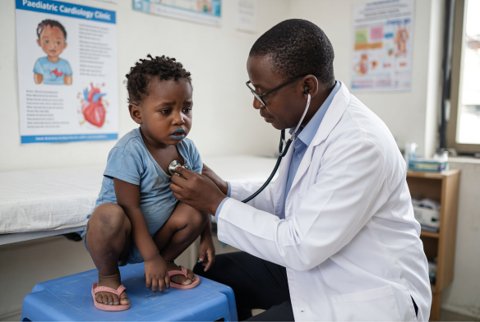
- Healthy children: mild or asymptomatic; the classic facial rash.
- Adults, especially women: acute symmetric polyarthropathy of small joints (hands, wrists, knees, ankles) lasting weeks to months, with or without the rash.
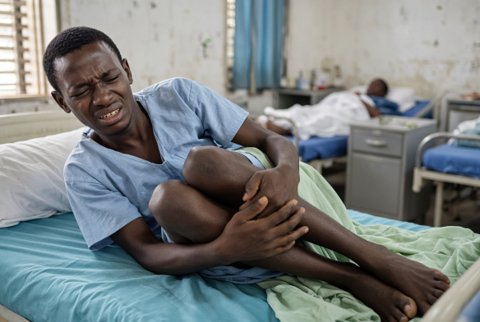
- People with increased red cell turnover (sickle cell disease, hereditary spherocytosis, thalassaemia): transient aplastic crisis with sudden severe anaemia and reticulocytopenia.
- Immunodeficient patients: chronic pure red cell aplasia.
- Pregnancy: fetal infection can cause non-immune hydrops fetalis, anaemia and miscarriage; maternal infection before 20 weeks carries a fetal loss risk of about 10 percent (risk of hydrops about 3 to 4 percent overall; mostly 9 to 20 weeks); mothers rarely have severe illness.
- Papular purpuric gloves and socks syndrome in young adults.
