










Stonefish Envenomation
Stonefish (Synanceia verrucosa and S. horrida) are the most venomous fish in the world. They live in shallow Indo-Pacific reefs, tidal flats and estuaries, including the East African coast. They are camouflaged and lie motionless on the sea floor. Thirteen dorsal spines are connected to venom glands, and the pressure of a footstep releases venom.
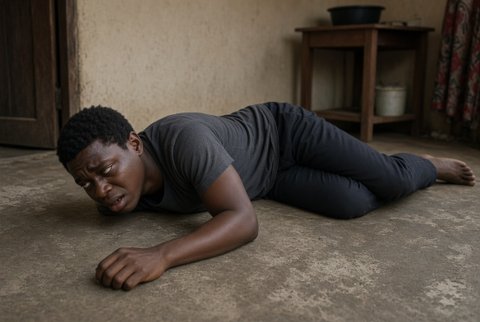
Venom proteins (verrucotoxin, stonustoxin and hyaluronidase) form pores in cell membranes, causing intense pain, cardiovascular depression and neuromuscular effects. This is among the most painful of all envenomations. Pain peaks in 30 to 90 minutes and can last 6 to 48 hours. Deaths are rare, from pulmonary edema, shock or arrhythmia, and fewer than 5% have systemic effects.
Complications: tissue necrosis, secondary infection (Streptococcus, Staphylococcus, Vibrio and Mycobacterium marinum), retained spine fragments, cellulitis, osteomyelitis and chronic pain.
