












Snakebite
Also known as: Snake envenomation
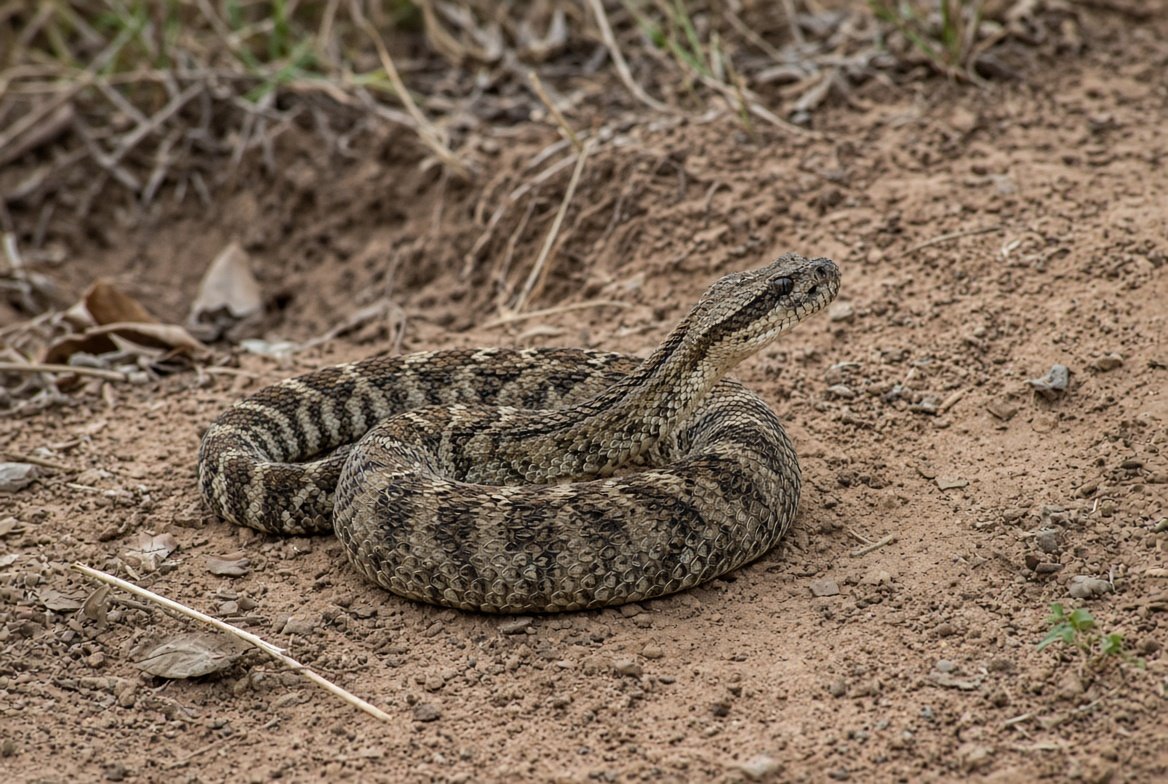
Envenomation from a venomous snake bite, causing local tissue effects and/or systemic toxicity depending on venom composition, which varies significantly by species and region.
The majority of bites, even from venomous species, may be "dry bites" with no venom injected, clinical monitoring determines the need for treatment, not the bite alone.
Classified by venom effect:
Cytotoxic: local tissue necrosis, swelling, blistering (many vipers)
Hemotoxic/coagulopathic: venom-induced consumption coagulopathy, spontaneous systemic bleeding (many vipers)
Neurotoxic: descending paralysis, respiratory failure (many elapids, cobras, mambas, kraits)
Myotoxic: rhabdomyolysis (some sea snakes, certain vipers)
- Local: fang marks, pain, swelling (progressive, can be extensive), bruising, blistering, local tissue necrosis in cytotoxic envenomation
- Systemic envenomation signs, indicating significant envenomation requiring antivenom:
- Coagulopathic: spontaneous systemic bleeding (gums, venipuncture sites, hematemesis, hematuria), prolonged clotting time
- Neurotoxic: ptosis (often the earliest sign), diplopia, dysarthria, dysphagia, progressive descending weakness, respiratory muscle weakness or failure
- Cardiovascular: hypotension, shock
- Myotoxic: muscle pain, dark urine (myoglobinuria), weakness
- Non-specific: nausea, vomiting, abdominal pain, headache, anxiety, may reflect systemic envenomation or simply a fear response, so distinguish via objective signs
- 20-minute whole blood clotting test (20WBCT): bedside test, fresh venous blood in a clean glass tube, undisturbed for 20 minutes; failure to clot indicates venom-induced consumption coagulopathy. Simple and valuable in resource-limited settings
- Clinical assessment: bite site, local swelling progression, systemic signs, species identification if possible, do not delay treatment attempting to catch or kill the snake; describe or photograph safely instead
- 20-minute whole blood clotting test: practical bedside coagulopathy screen
- Coagulation profile: PT/APTT/fibrinogen, platelet count
- FBC, U&E/creatinine (renal impairment from hemolysis, rhabdomyolysis or direct nephrotoxicity), CK (myotoxicity), urinalysis (hematuria, myoglobinuria)
- Serial neurological examination: document ptosis, eye movements, and respiratory function serially if a neurotoxic species is possible, deterioration can be rapid
Differentials: non-venomous snakebite (local wound only, no progressive signs), other envenomation (spider, scorpion, region-specific), local cellulitis from another cause.
Pre-hospital/first aid: reassure, immobilize the bitten limb in a position of function at heart level, minimize movement, transport rapidly to a facility with antivenom. Do NOT incise the wound, apply a tourniquet, attempt suction, apply ice, or use traditional remedies that delay definitive care.
Pressure immobilization bandaging is appropriate specifically for confirmed or suspected neurotoxic elapid envenomation, following local protocol, it is NOT recommended for cytotoxic viper bites, where it may worsen local tissue necrosis.
Antivenom: the definitive treatment, indicated for systemic envenomation signs (coagulopathy, neurotoxicity, cardiovascular instability, significant myotoxicity) or severe progressive local swelling per species-specific criteria:
- Species-specific or polyvalent antivenom per local snake epidemiology; dosing per product and local guideline, typically NOT weight-based, as the dose reflects venom neutralization rather than patient distribution, so children receive the same dose as adults
- Have adrenaline and full anaphylaxis management ready before starting: antivenom reactions are common
- Monitor closely during infusion; if an anaphylactoid reaction occurs, stop the infusion, treat as anaphylaxis, then often cautiously resume at a slower rate once stabilized
- Repeat doses if coagulopathy or neurotoxicity persists or recurs: venom effects can outlast the initial dose
Supportive and specific management:
- Neurotoxic envenomation with respiratory compromise: airway protection and mechanical ventilation, which can be prolonged over days; anticholinesterase (neostigmine with atropine) has some evidence for certain postsynaptic-acting elapid neurotoxins, test-dose and response-guided
- Coagulopathy: antivenom is the primary treatment. Blood products (FFP, cryoprecipitate) only AFTER antivenom, since clotting factors given before venom is neutralized are simply consumed. Repeat 20WBCT to monitor response, typically at 6 hours
- Local wound care: elevate the limb once systemic treatment is underway, debride necrosis if it develops, monitor for compartment syndrome, fasciotomy is rarely needed and controversial, as swelling is often subcutaneous rather than truly compartmental; seek expert input first
- Tetanus prophylaxis; antibiotics not routine unless secondary infection or significant necrosis
- Renal monitoring for hemotoxic or myotoxic envenomation given AKI risk
Observation: all snakebites warrant an observation period, minimum 24 hours even for asymptomatic bites from potentially venomous species, since systemic envenomation can be delayed.
Referral: ICU for respiratory compromise or severe systemic envenomation; poison control or toxicology for species-specific guidance; surgical review for significant local tissue necrosis.
