









Stress Hyperglycaemia
Also known as: Stress Induced Hyperglycaemia
Stress hyperglycaemia is a transient rise in blood glucose during acute illness, injury or surgery in a person without previously known diabetes, caused by the stress response: raised cortisol, adrenaline, glucagon, growth hormone and inflammatory cytokines that increase hepatic glucose output and cause temporary insulin resistance. It resolves when the illness settles, but it marks higher risk of complications and of later diabetes.
- Typical definition: glucose above 7.8 mmol/L (140 mg/dL) fasting or random during acute illness, with an HbA1c below 48 mmol/mol (6.5 percent). A value of 11.1 mmol/L (200 mg/dL) or more with a normal HbA1c is also stress hyperglycaemia.
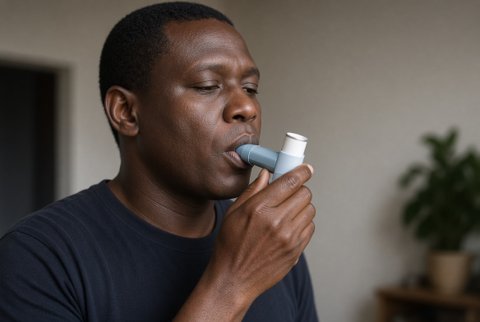
- Common triggers: infection and sepsis, myocardial infarction, stroke, trauma, burns, major surgery, pancreatitis, acute asthma and chronic obstructive pulmonary disease exacerbations (steroids), critical illness, and parenteral feeding.
- Prevalence in hospital patients is about 30 to 40 percent, higher in intensive care.
- Prognosis: raised risk of infection, longer admission and death; about 30 to 50 percent develop diabetes within 5 years after hospital discharge, so follow up testing is needed.
- Children: occurs in febrile illness and with seizures. Risk of later type 1 diabetes is higher if autoantibodies are present.
