











Thiazide Diuretics
Thiazide diuretics block the sodium-chloride cotransporter in the distal convoluted tubule, causing mild natriuresis and a lasting fall in blood pressure. They also reduce urinary calcium excretion. They are used in hypertension, mild oedema, hypercalciuric stones and nephrogenic diabetes insipidus.
Members. Hydrochlorothiazide, bendroflumethiazide, chlorothiazide (intravenous), cyclopenthiazide and hydroflumethiazide (obsolete).
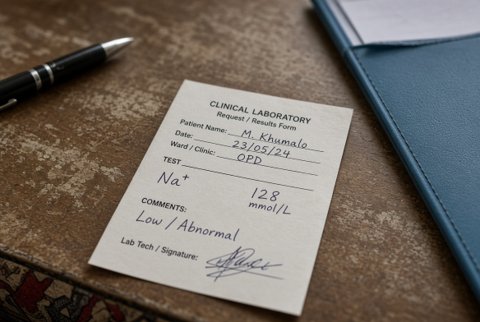
Mechanism. Blockade of the luminal sodium-chloride cotransporter increases delivery of sodium to the collecting duct, which increases potassium and hydrogen secretion and so causes hypokalaemia and metabolic alkalosis. Calcium reabsorption rises, so calcium excretion falls. Magnesium wasting occurs and urinary dilution is impaired, which can cause hyponatraemia. Long-term blood pressure lowering is attributed to lower peripheral resistance after the initial volume loss.
Dose response. Blood pressure lowering is flat over about 25 mg of hydrochlorothiazide or 2.5 mg of bendroflumethiazide, while metabolic effects rise with dose.
Pharmacokinetics. Absorbed orally and eliminated unchanged by the kidney. Hydrochlorothiazide has a half-life of 6 to 15 hours and bendroflumethiazide acts for 12 to 18 hours. Action depends on a filtered load, so efficacy falls when eGFR is low.
