


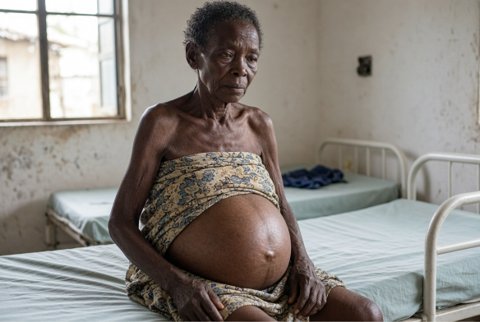









Thyrotoxic Cardiomyopathy
Thyrotoxic cardiomyopathy is reversible left ventricular dysfunction, with or without dilatation, caused by excess thyroid hormone. It follows prolonged or severe hyperthyroidism and takes two forms: a high output state that progresses to heart failure, and a tachycardia mediated dilated form.
Causes of thyrotoxicosis are Graves disease, toxic multinodular goitre, toxic adenoma, thyroiditis, amiodarone induced thyrotoxicosis, excess levothyroxine and iodine loading. About 6% of hyperthyroid patients develop heart failure, and atrial fibrillation occurs in 10 to 15% (more in older adults and with male sex).
Heart failure occurs in up to a third of thyroid storm, with hypotension and shock in severe cases. Subclinical hyperthyroidism (suppressed TSH, normal free T4 and T3) also raises the risk of atrial fibrillation and heart failure. Recovery of ventricular function is usual after the euthyroid state is restored.
Thyroid storm is diagnosed with the Burch-Wartofsky score: 45 or more is highly suggestive, 25 to 44 suggests impending storm and under 25 makes it unlikely.
Pathophysiology. Tri iodothyronine increases heart rate, contractility, blood volume and myocardial oxygen use through genomic effects on contractile and calcium handling proteins, and lowers systemic vascular resistance, producing high cardiac output with wide pulse pressure.
Persistent tachycardia and volume load cause dilatation and failure, and loss of the atrial contribution in atrial fibrillation worsens this. Pulmonary hypertension and right heart failure can develop. Stroke risk is raised in atrial fibrillation.
