Contraindications. Active serious infection including tuberculosis, severe hepatic impairment, pregnancy, and hypersensitivity. Avoid in patients with past venous thromboembolism or high thrombotic risk.
Boxed-warning-level risks. Serious infections, increased all-cause and cardiovascular mortality, malignancy (lymphoma, lung cancer), major adverse cardiovascular events (in patients aged 50 years and over with a cardiovascular risk factor), and thrombosis (deep vein thrombosis, pulmonary embolism and arterial thrombosis). Regulatory restrictions in many regions limit use in patients aged 65 years and over, current or past long-term smokers, and those with cardiovascular or malignancy risk, unless no suitable alternative exists.
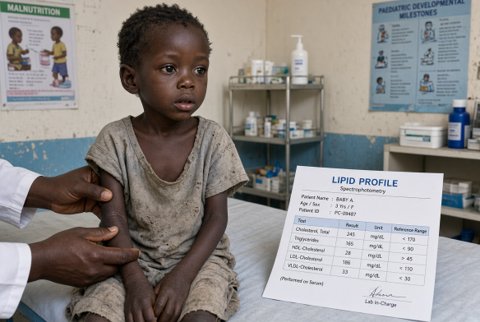
Adverse effects. Common: upper respiratory infection, headache, diarrhoea, nasopharyngitis, hypertension, raised cholesterol, raised transaminases. Serious: herpes zoster (common), tuberculosis and opportunistic infection, gastrointestinal perforation, venous thromboembolism, lymphopenia, neutropenia, anaemia, raised creatine kinase, interstitial lung disease.
Major interactions. Strong CYP3A4 inhibitors and inducers (rifampicin lowers exposure by about 85 percent; avoid), fluconazole, potent immunosuppressants such as azathioprine and ciclosporin (avoid), other biologics (avoid), live vaccines (avoid).
Common prescribing errors. Using in an older smoker with cardiovascular risk when alternatives exist; not reducing the dose with fluconazole or renal or hepatic impairment; omitting lipid, blood count and tuberculosis checks.
Special groups.
Pregnancy: contraindicated; contraception during treatment and for at least 4 weeks after the last dose.
Breastfeeding: avoid during treatment and for at least 18 hours after the last dose.
Children: weight-banded dosing for polyarticular juvenile idiopathic arthritis only.
Older adults: avoid where possible from 65 years; use the lowest effective dose.
Kidney impairment: 5 mg once daily with creatinine clearance under 30 mL/min.
Liver impairment: 5 mg once daily in moderate impairment; avoid in severe.
Region: tuberculosis, hepatitis B and C and HIV are common in East Africa; screen before starting and consider recombinant zoster vaccination. Rifampicin used for tuberculosis treatment greatly reduces exposure.