









TRH Stimulation Test
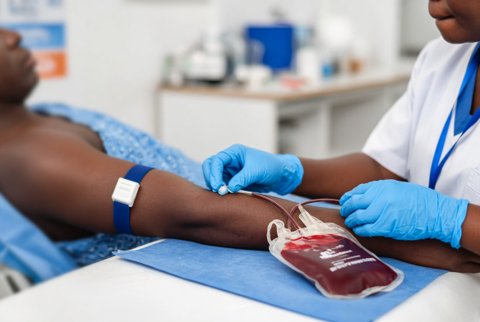
The thyrotropin releasing hormone (TRH) stimulation test measures the response of TSH (and prolactin) to an intravenous bolus of TRH, which acts on thyrotroph and lactotroph cells in the anterior pituitary.
It was used to separate central (pituitary versus hypothalamic) hypothyroidism, to diagnose subclinical hyperthyroidism before sensitive TSH assays, and to differentiate TSH-secreting pituitary adenomas from thyroid hormone resistance.
With modern third generation TSH assays and free T4 measurement, the test is rarely needed. TRH (protirelin) is no longer available in many countries.
TSH-secreting adenomas are rare (about 1 to 3 in every million people, under 1% of pituitary tumours) and present with raised free T4 and inappropriately normal or raised TSH. Resistance to thyroid hormone (THRB mutation) has an incidence of about 1 in 40 000 and presents similarly. The TRH test helps here: TSH is blunted in adenomas (autonomous secretion, low response) and normal or exaggerated in resistance.
Indications. Raised free T4 and free T3 with a non-suppressed TSH (to separate TSH-secreting adenoma from thyroid hormone resistance). Low free T4 with low or normal TSH (suspected central hypothyroidism, hypothalamic versus pituitary). Rarely, equivocal subclinical hyperthyroidism or thyroid axis assessment. Not used for routine thyroid evaluation.
Contraindications and cautions. Pituitary tumour with apoplexy risk (rare reports of apoplexy after TRH), cardiac disease and uncontrolled hypertension (hypertension and tachycardia during the test), epilepsy (seizure threshold), pregnancy, and asthma. Side effects: flushing, nausea, urge to micturate, metallic taste, and transient rise in blood pressure.
