











Tumor Lysis Associated Acute Kidney Injury
Tumour lysis syndrome (TLS) is a metabolic emergency from massive cell lysis releasing potassium, phosphate and nucleic acids (purine metabolism to uric acid), with AKI as its major complication.
- Highest risk: Burkitt lymphoma, acute lymphoblastic leukaemia, high-grade lymphomas, acute myeloid leukaemia with high white count, bulky chemosensitive tumours; also with venetoclax, rituximab, bortezomib, and spontaneous TLS before therapy.
- Onset 12 to 72 hours after chemotherapy.
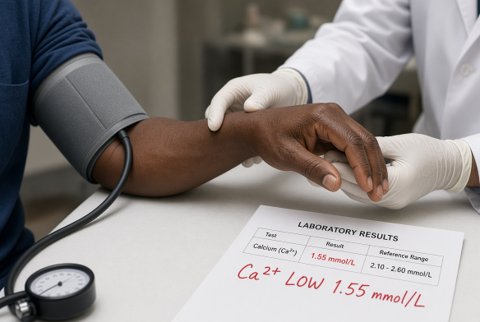
- Cairo-Bishop definition (laboratory TLS): two or more of uric acid ≥ 8 mg/dL (476 µmol/L) or 25% rise, potassium ≥ 6 mmol/L, phosphate ≥ 4.5 mg/dL (adults), calcium ≤ 7 mg/dL (1.75 mmol/L), within 3 days before to 7 days after chemotherapy. Clinical TLS adds creatinine ≥ 1.5 times upper limit, arrhythmia, or seizure.
- AKI mechanisms: uric acid and calcium phosphate crystal precipitation in tubules, renal vasoconstriction, volume depletion.
- Mortality is high with AKI requiring dialysis.
