











Abdominal Tuberculosis
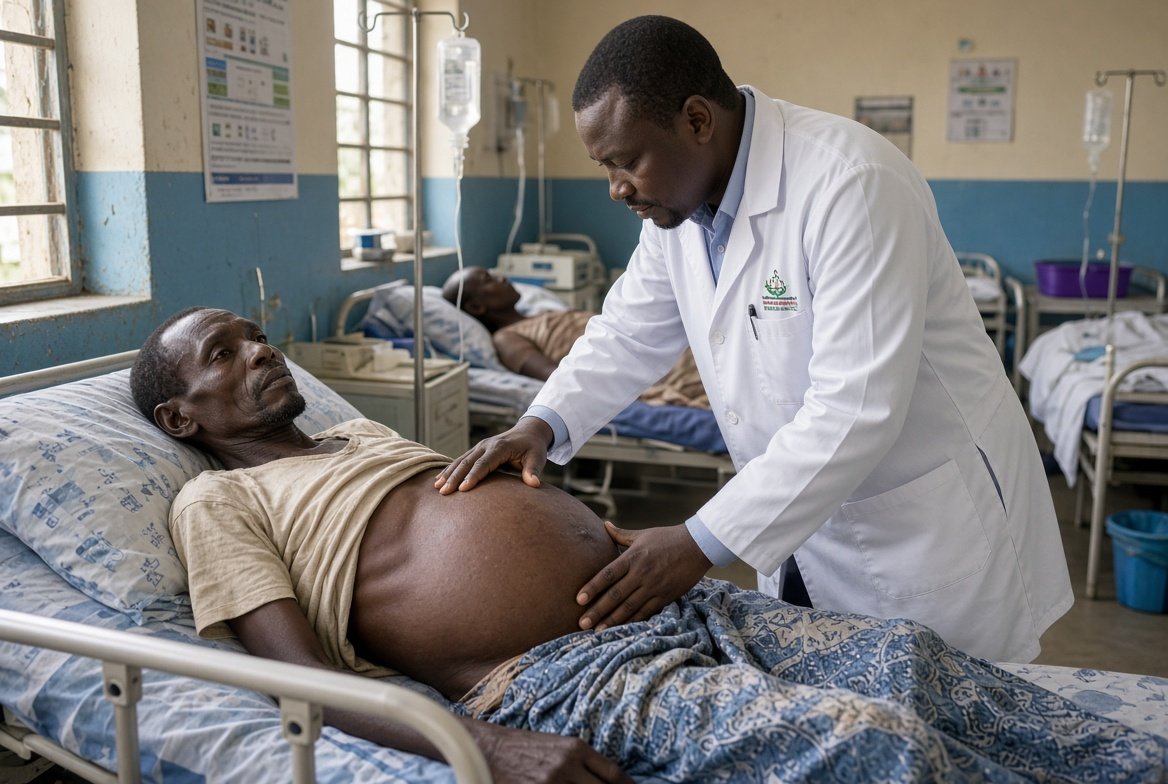
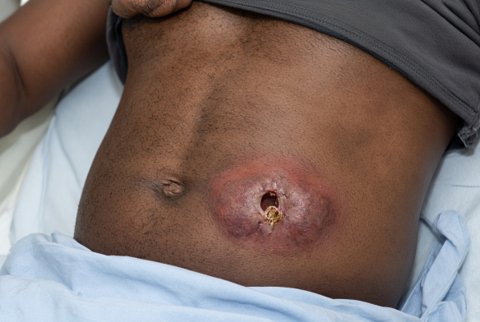
Abdominal tuberculosis is infection of the peritoneum, gastrointestinal tract, abdominal lymph nodes or solid viscera by Mycobacterium tuberculosis, mostly through reactivation of latent foci, ingestion of sputum, or hematogenous spread.
It makes up 1 to 3% of all tuberculosis and 5 to 10% of extrapulmonary disease. Pulmonary disease is seen in only 15 to 25% of patients. Risk factors: HIV infection, cirrhosis, diabetes, chronic kidney disease (especially peritoneal dialysis), immunosuppressants including anti-TNF agents, malnutrition and alcohol use.
Forms
Peritoneal: wet-type (ascites), dry plastic (adhesions, caseation) and fibrotic
Intestinal: ileocecal in most cases, with ulcerative, hypertrophic or ulcerohypertrophic types
Nodal: mesenteric, peripancreatic and portal nodes, with caseation
Visceral: liver, spleen and pancreas
Complications: intestinal obstruction (strictures, adhesions), perforation (usually in the ulcerative form), fistula, malabsorption, hemorrhage and abdominal cocoon.
Treatment is highly effective, and mortality is about 5 to 10% mainly from delayed diagnosis and cirrhosis.
