










Amphetamine Toxicity
Amphetamine toxicity follows overdose or misuse of amphetamine, dexamfetamine, methamphetamine and methylenedioxymethamphetamine (MDMA, ecstasy). The drugs enter nerve terminals through transporters and reverse them, releasing dopamine, noradrenaline and serotonin, and they inhibit monoamine oxidase. Methamphetamine and amphetamine have half-lives of 10 to 12 hours, and MDMA 7 to 9 hours. Effects therefore last far longer than cocaine.
Therapeutic dexamfetamine doses are 5 to 60 mg a day. In a drug-naive adult, doses over 1 mg/kg cause moderate toxicity, and deaths occur from about 5 mg/kg, and far less in children. Tolerant users survive much higher doses.
Toxicity patterns
- Sympathomimetic: agitation, hypertension, tachycardia, hyperthermia
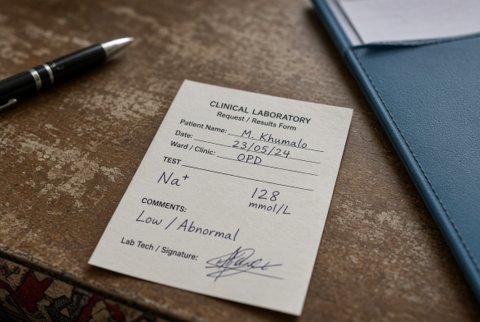
- MDMA: hyponatremia from vasopressin release and excess water intake, serotonin toxicity and hepatotoxicity
- Chronic methamphetamine use: cardiomyopathy, pulmonary hypertension, dental decay, skin picking, weight loss, persistent psychosis and cognitive decline
Complications: hyperthermia with rhabdomyolysis and disseminated intravascular coagulation, intracranial hemorrhage, myocardial infarction, aortic dissection, seizures, cerebral edema from hyponatremia, acute kidney injury and liver failure.
