









Benign Recurrent Vertigo
Benign recurrent vertigo describes repeated attacks of spontaneous vertigo, lasting minutes to days, with no hearing loss and no other neurological signs between attacks. It is now regarded as closely related to, or identical with, vestibular migraine in most patients, which is the commonest cause of spontaneous recurrent vertigo in adults. It affects about 1 to 3 percent of the population, more often women, usually starting between 20 and 50 years.
- Vestibular migraine criteria: at least 5 episodes of moderate or severe vestibular symptoms lasting 5 minutes to 72 hours; a current or past history of migraine; and migraine features (headache, photophobia, phonophobia, visual aura) with at least half of the attacks.
- Triggers: stress, sleep deprivation, hormonal changes (menstruation), certain foods (aged cheese, chocolate, red wine, caffeine, monosodium glutamate), dehydration, weather change, visual motion stimuli.
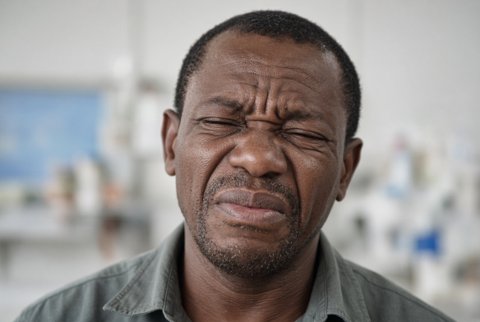
- Attacks may be accompanied by nausea, vomiting, motion intolerance and imbalance between episodes. Mild hearing fluctuation or tinnitus can occur but progressive hearing loss argues for Meniere disease.
- Prognosis is variable: attacks may reduce over years; some develop chronic imbalance or anxiety.
- Diagnosis is by exclusion: BPPV, Meniere disease, vestibular neuritis, posterior circulation transient ischaemic attack or stroke, cardiac arrhythmia, orthostatic hypotension, acoustic neuroma, multiple sclerosis, perilymph fistula, autoimmune inner ear disease, anxiety and panic disorder, medication effect.
