










Bronchopneumonia
Patchy, multifocal pneumonia that starts in the bronchi and bronchioles and spreads to adjacent alveoli, producing scattered consolidation in one or both lungs, usually lower zones. It differs from lobar pneumonia, in which a whole lobe is uniformly consolidated.
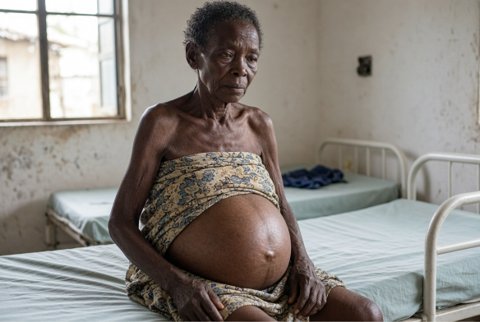
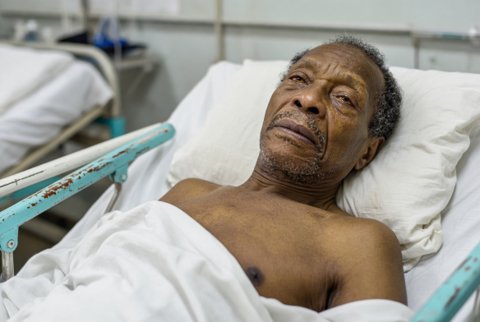
- It is typical in infants and young children, the elderly, bedridden patients, patients with aspiration risk, post-operative patients, those with chronic lung disease, malnutrition or HIV, and as a complication of measles, whooping cough and influenza.
- Organisms: Streptococcus pneumoniae, Haemophilus influenzae, Staphylococcus aureus, Moraxella catarrhalis, Klebsiella and other Gram negative bacilli (hospital and elderly), anaerobes (aspiration) and respiratory viruses. In children under 5 in Africa and Asia it is a leading cause of death.
- Mortality is about 5 to 15% in admitted adults and about 2 to 3% in admitted children (higher in malnourished children and in those with HIV).
