










Cramp Fasciculation Syndrome
Cramp fasciculation syndrome is a benign peripheral nerve hyperexcitability disorder. It is characterised by widespread muscle cramping, fasciculations and associated sensory symptoms. It is the mildest end of a spectrum that extends to the more severe neuromyotonia (Isaacs syndrome).
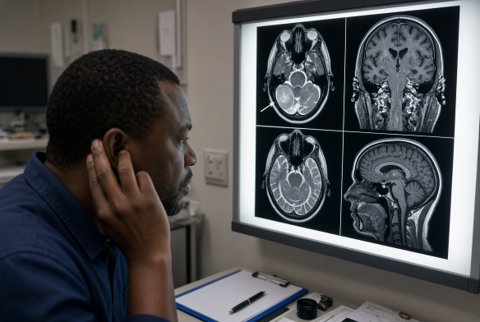
The clinical priority is careful, thorough exclusion of more serious neurological conditions that can present with fasciculations, particularly motor neurone disease.
The symptom frequently generates substantial anxiety. Confident, evidence based reassurance is important once serious pathology has been appropriately excluded.
Pathophysiology
- Peripheral nerve hyperexcitability underlies the fasciculations and cramping. It reflects spontaneous, repetitive discharge of peripheral motor nerve fibres.
- The mechanism in idiopathic cramp fasciculation syndrome is incompletely understood. A proportion of cases show evidence of an autoimmune process directed against voltage gated potassium channels or related structures within the peripheral nerve membrane. This is similar in principle to the mechanism of neuromyotonia, though generally milder in expression.
- Many cases present predominantly with anxiety and hypervigilant attention to physiological fasciculation. These may represent exaggerated perception of benign fasciculations rather than a genuine primary disorder of nerve hyperexcitability.
- Benign fasciculations are common in the general population. They are often exacerbated by stress, caffeine, fatigue and exercise, without pathological significance.
