









Exercise Induced Asthma
Also known as: Exercise Induced Bronchoconstriction
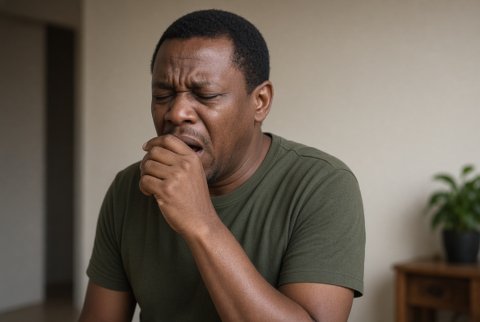
Transient narrowing of the airways that begins during or, more typically, 5 to 15 minutes after vigorous exercise, and peaks at 5 to 15 minutes after stopping before settling in 30 to 60 minutes. The term exercise induced bronchoconstriction covers people with and without chronic asthma. It is diagnosed by a fall in forced expiratory volume in 1 second (FEV1) of 10% or more from baseline.
- It affects about 80 to 90% of people with asthma and about 5 to 20% of the general population, and up to about 30 to 50% of elite winter athletes and swimmers.
- Mechanism: loss of heat and water from the airways during hyperventilation of dry air raises osmolarity of the airway surface, causing mediator release (histamine, leukotrienes, prostaglandins) from mast cells and eosinophils and airway smooth muscle contraction. Cold air, pollutants, chlorine and pollen worsen it. A refractory period of 1 to 4 hours follows an attack.
- Symptoms with exercise in a person with asthma often mean that asthma is poorly controlled.
