








Frostbite
Frostbite is tissue freezing injury from exposure to temperatures below minus 0.55 degrees C, resulting in ice crystal formation, cell dehydration, and microvascular thrombosis. It affects fingers, toes, ears, nose and cheeks. At altitude, in the Mount Kenya and Kilimanjaro climbing environments, and with cold or wet clothing, wind chill, alcohol, smoking, malnutrition, peripheral vascular disease, diabetes and homelessness, risk is highest. Contact with liquid nitrogen, dry ice and compressed refrigerant gases causes similar injury.
Injury occurs in two phases: direct cellular injury from freezing, and reperfusion injury with inflammatory mediators (thromboxane A2, prostaglandin F2-alpha) causing vasoconstriction, platelet aggregation, and thrombosis after rewarming.
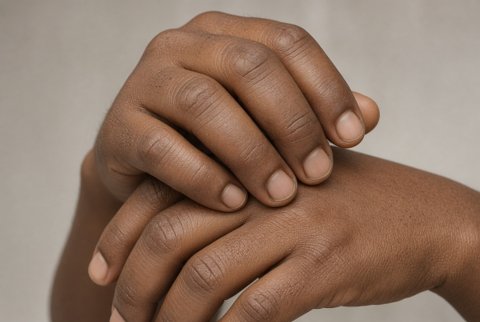
Depth is classified after rewarming: first degree (hyperaemia and oedema without blisters), second degree (clear blisters), third degree (haemorrhagic blisters), and fourth degree (full thickness necrosis of muscle and bone).
Eventual amputation rates are about 20 to 40 percent in hospitalised patients; most tissue demarcation takes 4 to 12 weeks.
