










Heat Tetany
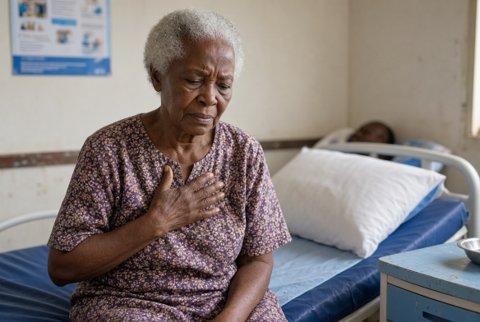
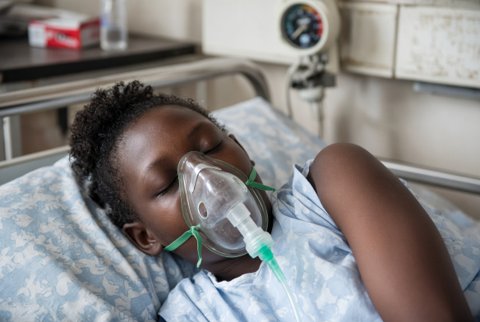
Heat tetany is carpopedal spasm and perioral and fingertip paraesthesia caused by hyperventilation induced respiratory alkalosis in people under heat stress. It is brief and usually benign, but it can be an early sign of progressing heat illness.
Epidemiology. It affects unacclimatised workers in intense heat, particularly with anxiety or strenuous work. It is distinct from heat cramps, which are painful muscle spasms from sodium and fluid loss.
Mechanism of symptoms. Alkalosis increases albumin binding of calcium, lowering ionised calcium and increasing neuromuscular excitability.
Importance. Hyperventilation can also reflect early heat exhaustion, heat stroke, sepsis or metabolic acidosis, so these need exclusion.
Pathophysiology.
Heat and anxiety increase respiratory drive. Falling PaCO2 raises blood pH, shifts calcium onto albumin and lowers ionised calcium without a change in total calcium.
Neuromuscular irritability then causes paraesthesia, carpopedal spasm and sometimes laryngeal spasm.
