










Heat Exhaustion
Heat exhaustion is a heat illness with a core temperature up to 40 degrees Celsius, caused by water or salt depletion, producing weakness, nausea and collapse without significant central nervous system failure. It is far more common than heat stroke. It occurs in workers, athletes, military personnel and pilgrims, and in elderly people during heat waves.
Two overlapping patterns
- Water depletion: inadequate fluid intake. It leads to thirst, hypernatremia and hemoconcentration.
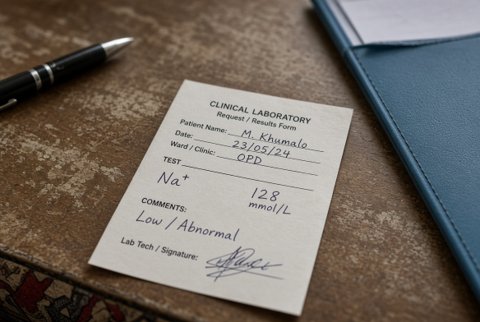
- Salt depletion: heavy sweating replaced by water alone. It leads to hyponatremia, muscle cramps (heat cramps), nausea and headache.
Mechanisms are volume contraction, impaired cardiovascular compensation and peripheral vasodilation. Predisposing factors: lack of acclimatization, high humidity, heavy clothing, diuretics, ACE inhibitors, alcohol, poor fitness, illness and age extremes. Untreated or with continued exposure, it progresses to heat stroke. Most patients recover within hours. Complications: syncope, injury from falls, hyponatremia, rhabdomyolysis and progression to heat stroke.
